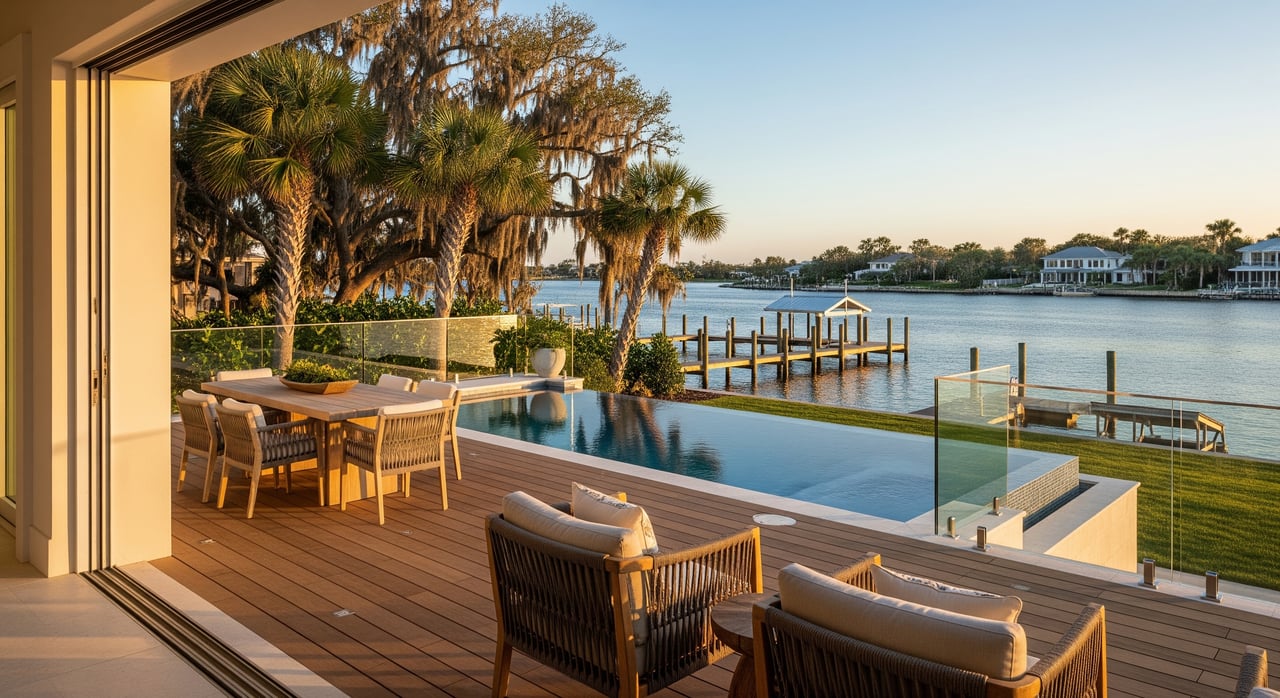
Thinking about a move to Port Orange? Picture quiet, tree-lined streets, quick beach escapes, and daily conveniences close by. If you want a coastal lifestyle without the constant bustle of a tourist beach town, this city might check your boxes. In this guide, you’ll get a clear look at neighborhoods, daily life, outdoor fun, and the practical details to consider before you buy. Let’s dive in.
Where Port Orange fits in Florida
Port Orange sits just south of Daytona Beach along the Halifax River, with easy drives to Daytona and New Smyrna beaches. It reads as suburban, with planned communities, long-standing neighborhoods, and small commercial centers.
You can confirm the latest population and household trends on the U.S. Census Bureau’s QuickFacts page for the city. For current figures, check Census QuickFacts for Port Orange.
The climate is humid subtropical, which means hot, humid summers and mild winters. Hurricane season runs June through November. For official updates, planning tips, and storm tracking, use the National Hurricane Center.
Neighborhood types at a glance
Every part of town offers a slightly different rhythm. Instead of ranking areas, it helps to compare the “feel” of each.
Riverfront and Intracoastal areas
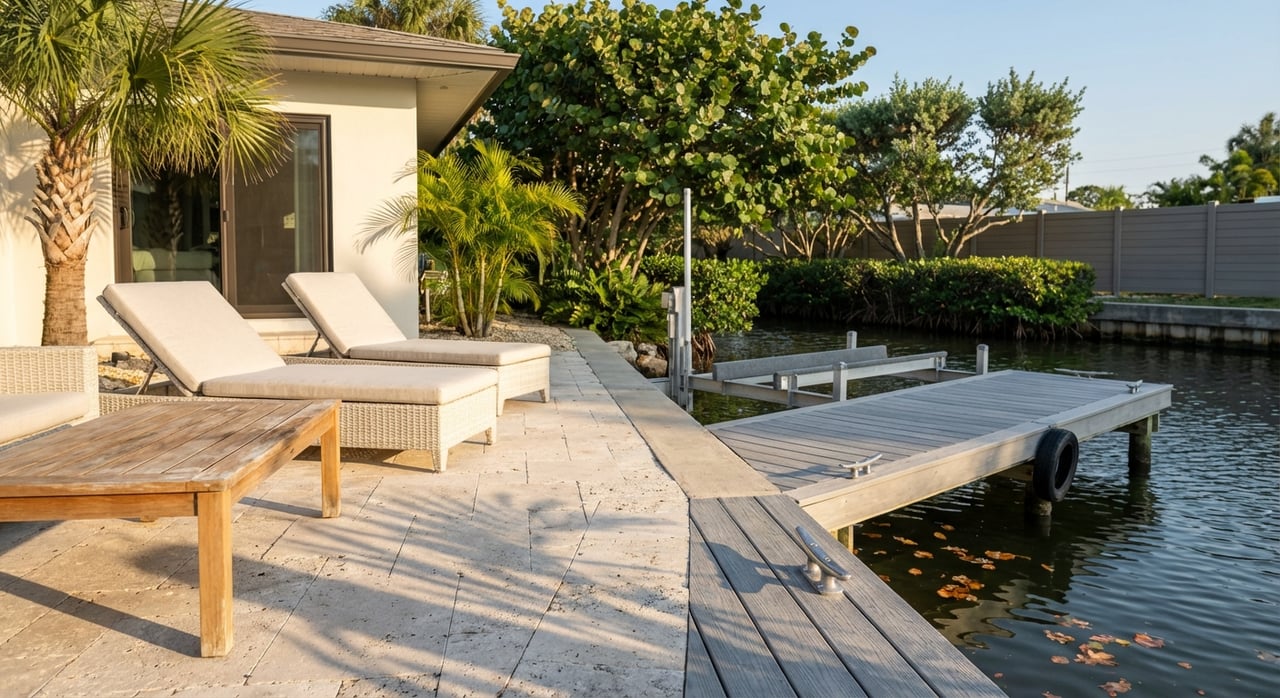
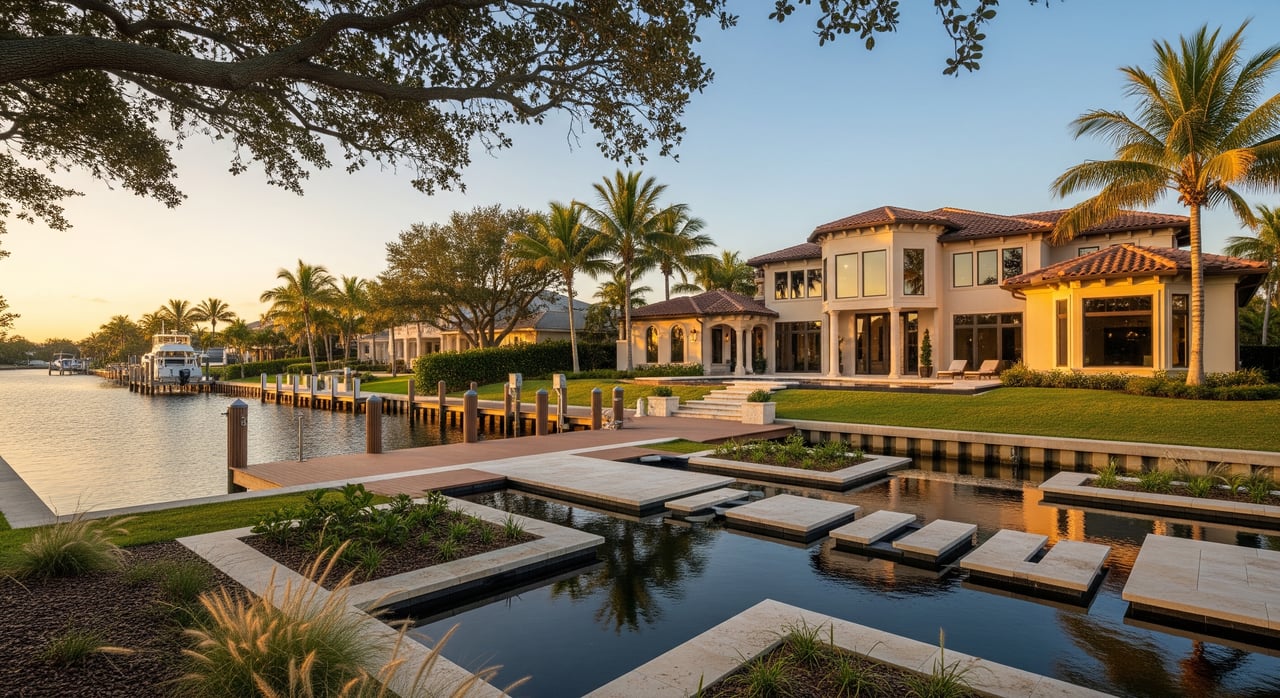
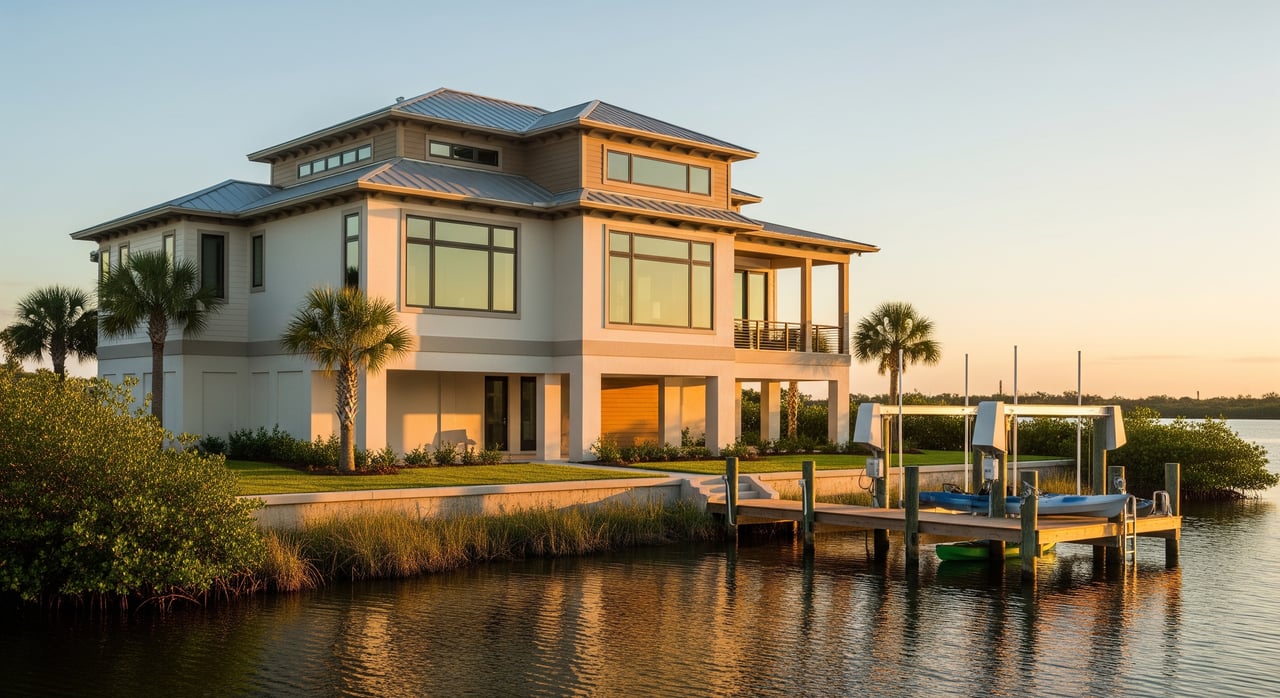
If you love time on the water, the riverfront can be the draw. You’ll find homes near the Halifax River, with access to marinas and quick routes to Ponce Inlet. Expect a premium for waterfront views, private docks, or preserved river vistas.
Close-to-beach corridors
On the eastern side of the city, you’ll see established homes and renovations in pockets that offer short drives to Daytona Beach or New Smyrna Beach. This is a practical choice if you want fast beach access without living directly on the ocean.
Spruce Creek and planned communities
Amenity-rich communities like Spruce Creek Fly-In provide a private airstrip, golf, pools, and organized activities. Many of these neighborhoods have HOAs that set community standards and support shared amenities. Review HOA budgets and covenants to understand fees, rules, and what services are included.
West side and I-95 corridors
Near I-95, you’ll find newer subdivisions, big-box retail, and employment centers. Highway access is a plus for commuters and frequent travelers, and the retail options make errands simple.
Older inner neighborhoods
Closer to Dunlawton Avenue and US-1, housing is more mixed, including older single-family homes, small duplexes, and some multifamily buildings. These areas often feel established, with local shops and shorter drives to everyday services.
A day in the life: four real scenarios
It helps to picture how you might use the city day to day. Here are a few common routines.
The waterfront boater
You might start with a sunrise coffee on the patio, then head to a marina for a mid-morning cruise or inshore fishing on the Halifax River. After a few hours on the water, a late lunch at a local seafood spot and a quick stop at a grocery store off Dunlawton Avenue keeps the day easy.
The school-day schedule
If you have school-age kids, the day may begin with a short drive to an elementary or middle school inside city limits. Port Orange is served by Volusia County Schools, and boundaries vary by address. Before you shop, check current options using the Volusia County Schools resources. After school, a park visit or sports practice is a short hop away, followed by a weeknight dinner at a nearby restaurant.
The commuter with clients across Volusia
Morning starts with a quick jump onto I-95 for appointments across the county. Midday, you might work from a cafe or head back home for a virtual meeting. Evening walks along riverfront paths or a quick bike ride on local trails become your reset.
The retiree who values easy routines
Your schedule may include a fitness class at a community center, a grocery run, and a leisurely afternoon at the beach or park. Evenings are for casual dining and catching a city event with neighbors.
Outdoor fun, parks, and beaches
One of Port Orange’s strengths is access. You’re close to the Atlantic beaches, the Halifax River, and regional parks with trails, paddling, and birding. The city maintains parks and hosts community events throughout the year. For maps, programs, and event calendars, explore the City of Port Orange site.
Common outdoor activities include biking, running, fishing, kayaking, and waterfront strolls. On weekends, you can be on a sandy beach by mid-morning and back home for lunch.
Everyday essentials
You’ll find grocery stores, pharmacies, and national retailers clustered near major corridors, particularly Dunlawton Avenue. Locally owned restaurants and seafood spots are spread throughout the city, especially near scenic areas and higher-traffic corridors.
For healthcare, residents use facilities in Port Orange and nearby Daytona Beach. Regional systems include Halifax Health and AdventHealth. Review your health plan and facility options if proximity to specific services is a priority.
Getting around
Port Orange offers straightforward access to major roads, with I-95 nearby for north-south travel. Daytona Beach International Airport serves the region with limited commercial flights, and Orlando International is the larger hub for broader options.
If you depend on transit, review routes and schedules through Votran. Service varies by time of day and day of week, so plan your commute before you pick a neighborhood.
Practical buyer considerations
Buying in a coastal community comes with a few extra checks. Build these into your search from the start.
Housing mix and market context
Expect a range of home types: older single-family properties, newer subdivisions, townhomes, condos, and specialized communities like golf and fly-in neighborhoods. Waterfront and amenity-rich areas usually carry a premium. Like much of Florida, the market experienced strong price appreciation in 2020–2022, followed by mixed cooling and more normalized inventory in many segments. For current prices and time-on-market in your target neighborhood, ask for a recent market snapshot tied to specific addresses.
Flood risk, storm prep, and insurance
Coastal and river-adjacent locations can face flood and wind risks. Lenders may require flood insurance based on FEMA flood zones, and wind coverage can be a material cost. Before you fall in love with a listing, look up the address on the FEMA Flood Map Service Center and discuss elevation, drainage, and prior mitigation with your inspector and insurance contacts.
During hurricane season, review official guidance from the National Hurricane Center. A simple preparation plan and properly rated shutters or impact windows can make a meaningful difference.
Taxes, homestead, and utilities
Florida has no state income tax. Property taxes are assessed at the county and municipal level, and a homestead exemption may reduce taxes for qualifying primary residences. For property-specific assessments and exemptions, check the Volusia County Property Appraiser.
Utility providers vary by location. In storm-prone areas, ask about outage history and any community-level improvements to power and drainage.
HOAs and community lifestyle
In planned communities, HOA fees support amenities and upkeep. Review the covenants, architectural guidelines, and budgets so you understand what is included and what is regulated. In exchange, you often gain access to features like pools, trails, and neighborhood events.
Seasonal rhythm: what changes through the year
Port Orange shares a regional calendar with Daytona Beach, which brings noticeable shifts in traffic and activity:
- Winter and early spring: Mild weather draws seasonal residents and visitors. Outdoor events, markets, and festivals are common.
- Motorsports weeks: Major events like the Daytona 500 can increase traffic and tourism across the area.
- Spring to early summer: Beach days pick up and outdoor recreation expands with longer daylight.
- June to November: Hurricane season. Many residents review supplies, check insurance details, and confirm storm plans.
- Fall: Biketoberfest and other events bring another bump in visitors, followed by a quieter stretch and pleasant weather.
If you work from home or host visitors, these cycles can shape how you plan errands, commutes, and bookings.
How to choose your best-fit area
Use a simple process to narrow your list:
- Map your must-haves. Rank beach access, boating access, HOA amenities, yard size, and budget. Be clear on which two or three matter most.
- Test your commute. Drive your likely routes at peak and off-peak times. If you rely on transit, review Votran and confirm walk time to your stop.
- Check flood and wind risks. Look up addresses on the FEMA Flood Map Service Center, and ask about past insurance claims or mitigation.
- Review HOA details. Ask for covenants and recent budgets, especially for amenity-rich communities like Spruce Creek Fly-In.
- Confirm school options. If schools are part of your decision, use Volusia County Schools to verify boundaries and programs for each address.
- Request current market data. Neighborhood-level pricing and inventory change quickly. Get a comparative market analysis and recent neighborhood trends before you write an offer.
Work with a local guide you can trust
Choosing the right home in Port Orange is easier when you have on-the-ground insight into each neighborhood, street by street. If you want help matching your lifestyle to the right area, reviewing flood and HOA details, and navigating negotiations with confidence, reach out. With deep local experience and modern tools for search and valuation, Stacy Kelly can guide you from first tour to closing.
FAQs
What should I know about Port Orange’s climate and storms?
- The area has hot, humid summers and mild winters; hurricane season runs June through November, so review official guidance from the National Hurricane Center and confirm your home’s wind and flood coverage.
How do I check school options for a specific address in Port Orange?
- Use the boundary and program resources on the Volusia County Schools site, then confirm details directly with the district before you buy.
Do I need flood insurance for a Port Orange home?
- It depends on the FEMA flood zone and lender requirements; look up the property on the FEMA Flood Map Service Center and get quotes from your insurance provider.
What is everyday shopping and healthcare access like in Port Orange?
- You’ll find grocery and retail options along major corridors, with regional healthcare supported by Halifax Health and AdventHealth facilities nearby.
How is commuting and transit around Port Orange?
- Road access is strong with nearby I-95; for bus service, review routes and schedules through Votran and test your commute times before choosing a neighborhood.
How do property taxes and exemptions work in Volusia County?
- Florida has no state income tax; property taxes are set locally and homestead exemptions may apply, so check the Volusia County Property Appraiser for address-specific details.