Curious what your Port Orange home is really worth after seeing an instant estimate online? You are not alone. Those quick numbers can be helpful, but they often miss important local details that matter a lot in Volusia County. In this guide, you will learn how to use online home values as a smart starting point, what they tend to get wrong in Port Orange, and when to ask for a custom CMA so you can price with confidence. Let’s dive in.
What online home values are
Online home values come from automated valuation models, or AVMs. These tools pull public records, MLS data, recent sales, and property features like beds, baths, and square footage to predict value. Some also give a confidence score or a range.
AVMs are great for a fast ballpark and for spotting broad price trends. They work best in neighborhoods with lots of recent, similar sales. Still, they rely on the accuracy of public records and listing feeds, and they cannot see interior condition, quality of renovations, or unique features that push value up or down.
Where AVMs help
- Quick, no-cost ballpark for early planning.
- Side-by-side comparisons among similar nearby homes.
- A general sense of neighborhood price direction.
- A starting point for a deeper pricing conversation.
If your home is typical for the subdivision and updated recently, an AVM can be a helpful first check. If your property is unique or the market is shifting, you will want more than a quick number.
What AVMs miss in Port Orange
Port Orange and greater Volusia County have details that can confuse automated tools. Keep these in mind when you review any instant estimate.
Waterfront and canal nuances
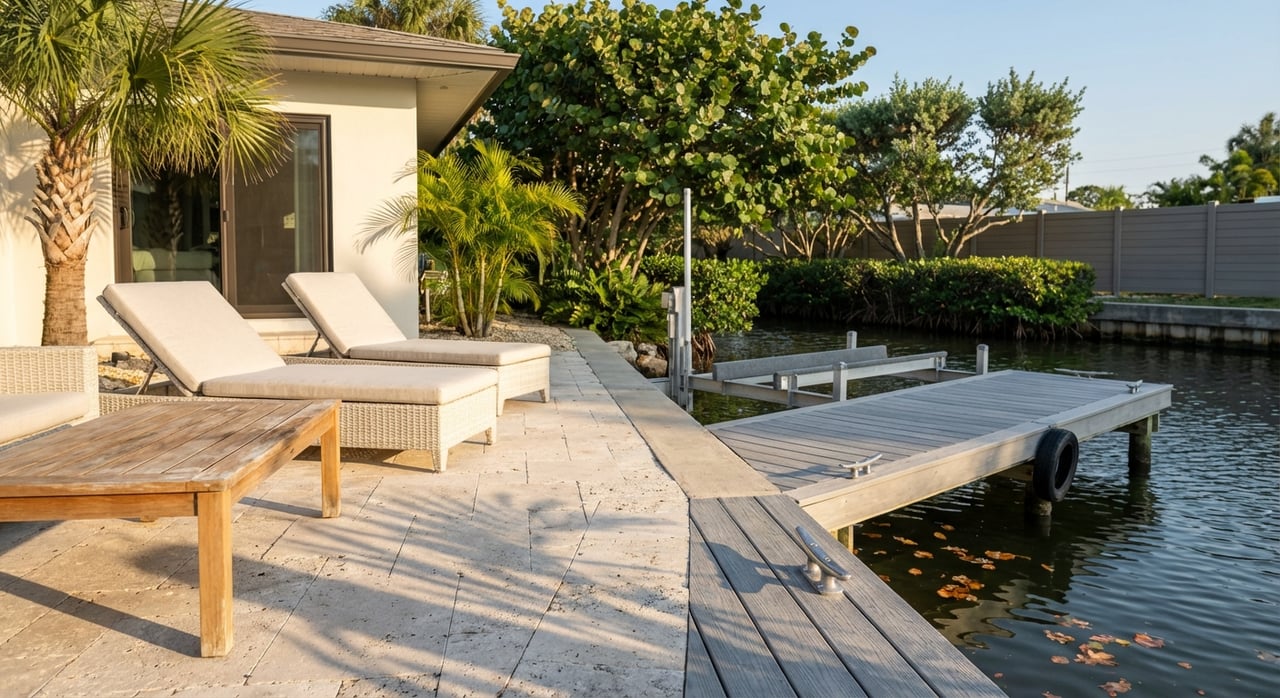
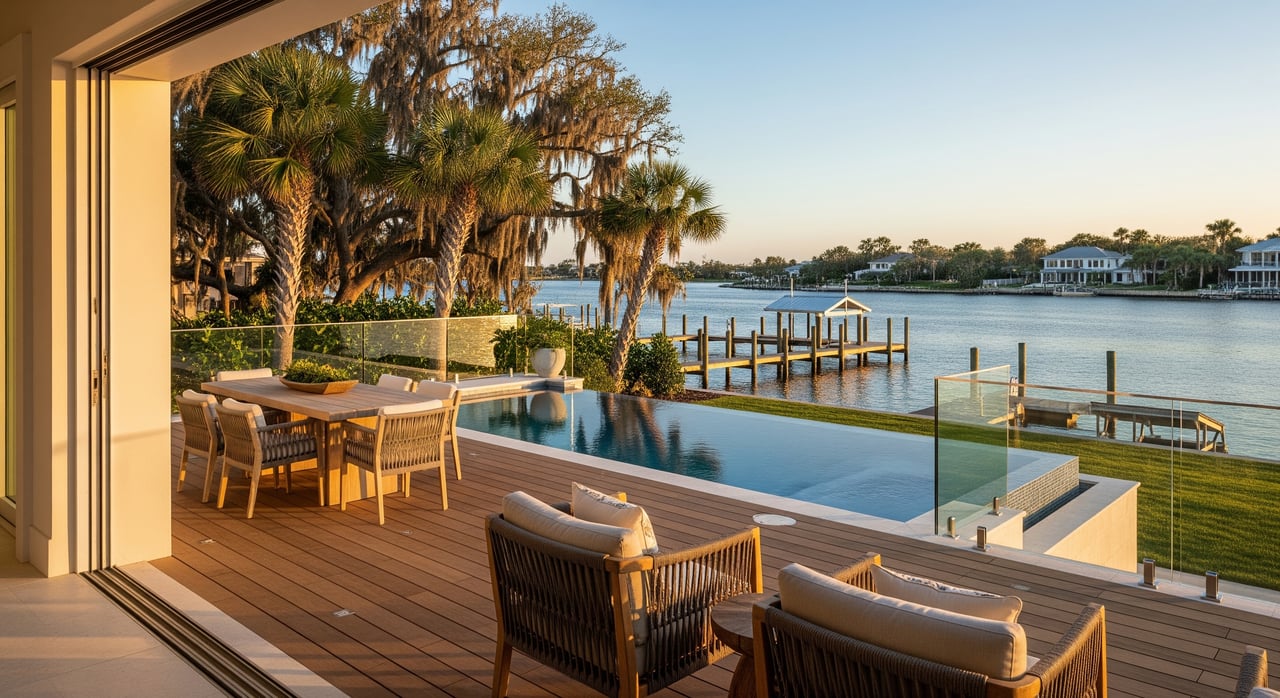
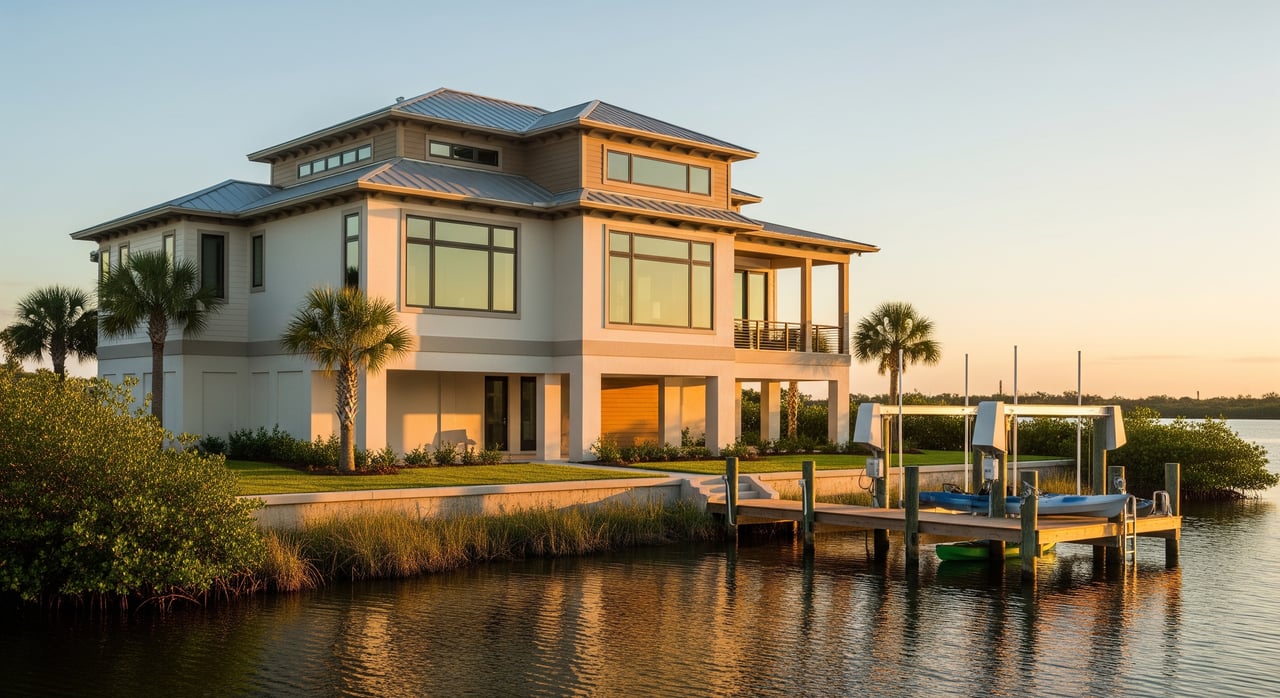
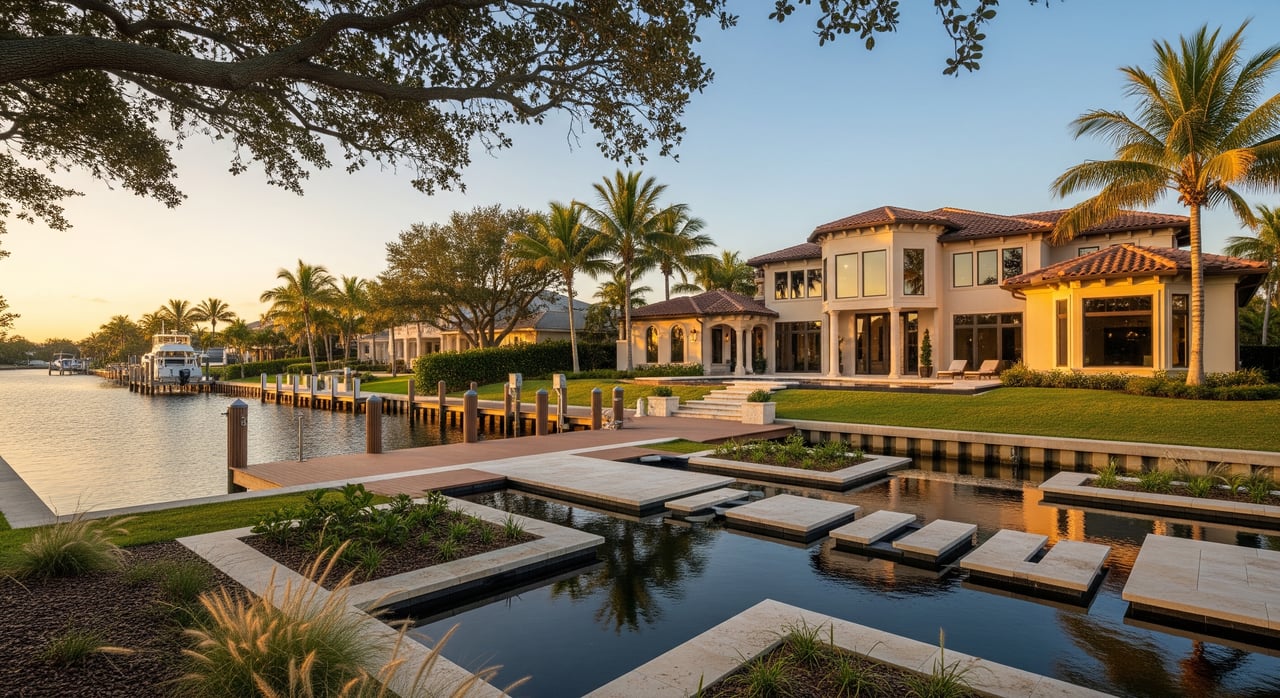
Water orientation, depth and access, seawall and dock condition, and whether there is a boat lift or a deeded slip all change value. Many AVMs cannot measure these correctly, and photos alone do not tell the full story. For canal or Intracoastal-access homes, prioritize comparable sales with similar water features.
Flood zones and insurance
Lot elevation, FEMA flood zone, and elevation certificates affect both insurability and buyer demand. Rising wind and flood insurance premiums in Florida can change affordability from one street to the next. AVMs often miss these cost differences, which can lead to overpricing or underpricing.
Renovations and permits
A new roof, updated HVAC, impact windows, or a high-quality kitchen and bath remodel can add real value. Unpermitted work, on the other hand, can reduce value and slow a sale. AVMs rarely confirm permit status or the quality of upgrades, so you need to verify and document them.
Lot and location quirks
Irregular or oversized lots, corner locations, buffer strips, and proximity to I-95 or a busy corridor like US-1 can shift value. Event traffic and noise near major venues can also matter. AVMs tend to treat these as averages rather than property-specific strengths or drawbacks.
Seasonal and HOA factors
Tourist and seasonal demand near Daytona Beach can expand or narrow the buyer pool at different times of year. HOA rules, special assessments, community amenities, and short-term rental policies can change pricing too. Instant estimates typically do not account for these timely details.
Read and compare estimates
Use this simple workflow to make sense of your online estimates before you set a price.
Step 1: Gather key details
- Write down each estimate, the date, and any confidence range.
- Confirm public record data shown with the estimate, like square footage, lot size, beds, baths, and year built. Correct anything that is wrong in county records or old listings.
Step 2: Cross-check 2 to 4 tools
- Compare values from several sources. If they cluster in a narrow range, your ballpark is likely reasonable. A wide spread signals uncertainty.
- Notice if certain tools tend to run high or low in your neighborhood. Different models weigh data differently.
Step 3: Check recent local sales
- Pull 3 to 6 closed sales from within the same subdivision or nearby streets, ideally from the last 6 to 12 months.
- Compare price per square foot and days on market.
- For waterfront or canal properties, use sales with the same water access and similar seawall or dock condition.
Step 4: Adjust for local factors
Make simple, common-sense tweaks to your ballpark:
- Reduce if significant work is unpermitted or if the roof or HVAC is near the end of life.
- Increase if you have recent, well-documented upgrades that buyers value.
- Reduce if your flood elevation is lower than nearby homes or if insurance costs will be higher.
- Increase for superior water access or a well-maintained dock or lift.
Step 5: Set a pricing strategy
If estimates and comps align tightly and your home is typical for the block, the AVM median can guide a competitive price. If estimates disagree or your property is unique, use a broader range and request a custom CMA.
Traps to avoid
- Do not confuse the portal estimate with marketability. Buyers set the final value.
- Do not rely on tax assessment or an old list price to reflect today’s market.
- Do not ignore condition or layout. Square footage is only part of the story.
When to trust vs. get a CMA
Here are quick decision rules for Port Orange owners.
Rely on an instant estimate when
- You need a fast, rough check while you plan.
- You are comparing neighborhood trends before contacting an agent.
- Your home is a typical, updated property in a well-traded subdivision.
- You want a ballpark for refinance research or early-stage timing.
Request a custom CMA when
- You plan to list within 30 to 60 days and need an actionable asking price.
- Your home is unique, waterfront, on an oversized lot, or recently renovated.
- Your neighborhood just shifted with new inventory, interest rate changes, or local development.
- Flood, wind insurance, or HOA assessments will impact buyer demand.
Get a full appraisal when
- A lender or legal process requires a third-party value.
- You want a defensible figure before listing in a very uncertain micro-market.
What a strong CMA includes
A detailed CMA should help you understand price, timing, and strategy, not just a single number. Ask for:
- 3 to 6 recently closed comparables plus 2 to 3 active and pending listings, with addresses and photos.
- Clear adjustment notes for differences like age, square footage, lot size, and condition.
- Days on market and sale-to-list ratios for each comp.
- Local context such as current inventory, absorption rate, and typical days on market for your specific Port Orange neighborhood.
- A suggested list price range and a first 2 to 3 weeks marketing strategy.
- A net-proceeds estimate using realistic local closing costs and taxes.
Prepare for a strong CMA
Give your agent the right details up front so the valuation reflects your home’s true strengths.
Seller prep checklist
- Gather documents: recent mortgage statements, tax bill, survey if available, permits, contractor receipts, HOA documents, and any elevation certificate.
- Take date-stamped photos of interior, exterior, roof, pool, dock or seawall, mechanical systems, and any deferred maintenance.
- List upgrades with costs and dates, such as roof, HVAC, windows, kitchen, and baths.
- Note any known issues like prior flooding, drainage concerns, sinkhole repairs, or pest treatments.
Questions to ask an agent
- Which MLS and local data feeds power your CMA and how often are they updated?
- Which specific comparables would you use and how will you adjust for differences?
- How do you factor flood risk, insurance costs, and seawall or dock condition into pricing?
- Will you provide a written net sheet and pricing sensitivity scenarios?
- Can you share recent listings and sales you handled in my immediate area?
- How will you market unique features like water access, a pool, or an elevated lot to buyers and their agents?
Pricing tips for Port Orange
- Consider a pre-listing inspection for older homes or when condition is uncertain. Fewer surprises can mean stronger offers.
- For waterfront or canal homes, invest in high-quality photos and drone imagery to show water access and dock condition. Buyers respond to clear visuals.
- If flood elevation or insurance is a concern, provide documentation such as elevation certificates and any mitigation work early in the process.
Your next step in Port Orange
Online estimates are a smart starting point, but local details finish the story. If you want a clear, actionable price for your Port Orange home, request a custom CMA that accounts for flood risk, insurance, water access, and true condition. When you are ready, reach out to Stacy Kelly for a locally grounded valuation and a step-by-step plan to list with confidence.
FAQs
Are online home values accurate in Port Orange?
- They can be a useful ballpark for typical homes with many recent comps, but accuracy drops for waterfront, unique lots, or properties with major upgrades that AVMs cannot fully evaluate.
How do flood zones affect my home’s value?
- Flood zone and elevation influence insurability and costs, which can change buyer demand and price expectations even between nearby streets.
Should I price my home using a Zestimate?
- Treat any portal estimate as a starting point only and confirm with a custom CMA that uses recent local comps and adjusts for features AVMs often miss.
What documents help a Port Orange CMA?
- Permits and receipts for upgrades, an elevation certificate if available, HOA documents, a recent survey, photos of key features, and notes on condition or repairs.
When is a full appraisal worth it for sellers?
- If a lender or legal process requires it, or if you want a third-party figure before listing in a micro-market with high uncertainty or few recent comparable sales.