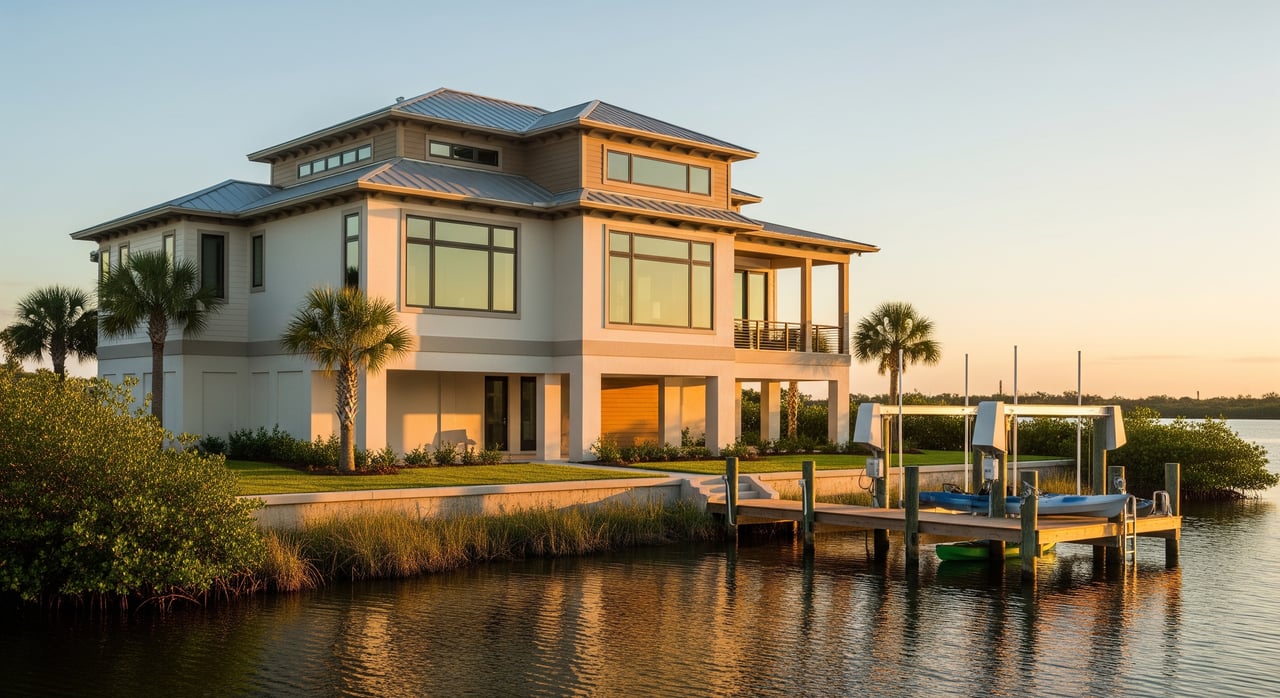
Wondering why two similar homes in Edgewater can get very different insurance quotes? If you are buying near the Indian River Lagoon or the coast, wind and flood risks play a big role in coverage and cost. You want to protect your new home, close on time, and avoid surprises. This guide walks you through Florida home insurance basics, what is unique about Edgewater, and the steps that can lower your premium and keep your closing on track. Let’s dive in.
What your homeowners policy should cover
A standard homeowners policy typically includes the building, other structures like fences or detached garages, and your personal property. You should also see loss of use coverage for temporary housing if your home is uninhabitable after a covered loss. Liability and medical payments protect you if someone is injured on your property.
Most single-family homes in Florida are insured on HO-3 policies. Some buyers choose broader contents coverage under HO-5. Review your declarations page for limits, special sublimits, and any endorsements or exclusions that apply in coastal areas.
Wind and hurricane deductibles
Florida’s biggest risk driver is wind. Many policies apply a separate hurricane or windstorm deductible. Instead of a flat dollar amount, it is often a percentage of your dwelling limit. For example, a 2 percent deductible on a 400,000 dollar Coverage A limit means you would pay 8,000 dollars out of pocket for a covered hurricane loss before the insurer pays.
In some coastal markets, insurers offer wind-only policies or add windstorm coverage through an endorsement. Always confirm the deductible type and percentage on your quotes and final policy.
Flood insurance is separate
Homeowners insurance does not cover flooding from storm surge, tides, or rising water. You need a separate flood policy.
- NFIP policies are administered by FEMA and are often required by lenders when a home is in a Special Flood Hazard Area. You can learn how NFIP works on FEMA’s page on flood insurance and the NFIP.
- Private flood insurance is another option. Some buyers use it to supplement or replace NFIP if the lender accepts it and the coverage is equivalent.
There is typically a 30-day waiting period for new NFIP policies to take effect, with limited exceptions tied to certain map changes or loan closings. That is why you should order flood coverage early in your contract period.
To check a property’s flood zone, use FEMA’s Flood Map Service Center. In Edgewater and greater Volusia County, AE and VE zones indicate higher flood risk, with VE reflecting wave action exposure. If the home sits above the Base Flood Elevation, an elevation certificate can help lower NFIP premiums.
Florida-specific coverages and features
- Sinkhole and ground-collapse coverage: Florida policies may treat sinkhole losses differently from catastrophic ground collapse. Some insurers offer sinkhole coverage as an endorsement and require testing before paying a claim. Ask whether sinkhole coverage is included, excluded, or available.
- Ordinance or law coverage: If you must rebuild to current code, this helps with added costs. Older homes near the coast may benefit from higher limits here.
- Replacement cost vs actual cash value: Know how your roof and contents are covered. Replacement cost pays to replace; actual cash value deducts for depreciation.
- Policy conditions and endorsements: Review assignment-of-benefits language, loss history exclusions, and any non-renewal or cancellation provisions.
Edgewater factors that affect price and availability
Edgewater sits on Florida’s Atlantic Coast near the Indian River Lagoon. That location brings both wind and flood considerations that carriers weigh during underwriting.
- Flood zone and elevation: SFHA properties generally require flood insurance for mortgages and often carry higher flood premiums. An elevation certificate that shows the structure above BFE can help.
- Proximity to tidal creeks or open water: Even homes across the street from the shoreline can face surge and tidal flooding. VE zones, if present, indicate wave hazards.
- Roof age and wind resistance: Older roofs or homes without modern roof-to-wall connections, secondary water barriers, or protected openings can see higher premiums or difficulty obtaining coverage. A wind mitigation inspection can document discounts.
- Prior claims history and condition: Multiple past water, wind, or sinkhole claims can trigger surcharges or limited options. Ask the seller for disclosures or order a claims report.
- Market capacity and carrier health: Availability shifts in coastal ZIP codes. You can review consumer guidance at the Florida Office of Insurance Regulation and use the NAIC consumer tools to better understand insurer market data.
Local permitting and floodplain rules can influence upgrades, elevation projects, and rebuild costs. Volusia County’s website provides floodplain and permitting information, and the City’s page offers municipal guidance. Visit the Volusia County official site and the City of Edgewater site to explore requirements and contacts.
Steps to reduce costs and improve insurability
You can often lower premiums and expand your carrier choices with targeted actions.
- Get a wind mitigation inspection: Have a licensed inspector document roof-to-wall connections, roof covering, secondary water barrier, and opening protections. Many carriers offer discounts when these features are verified.
- Upgrade openings and roofing: Impact-resistant windows or certified shutters reduce risk. If the roof is older, provide documentation of replacement or condition. Some carriers set age thresholds near 15 to 20 years, so confirm specifics.
- Secure an elevation certificate: If the finished floor sits above BFE, this document can reduce NFIP premiums, and some private flood carriers use it as well.
- Explore flood options: Compare NFIP and private flood quotes, and confirm that your mortgage lender will accept any private policy.
- Order early: Because NFIP usually has a 30-day waiting period, start flood and homeowners quotes early in the contingency period.
- Follow state mitigation guidance: Florida’s official resources provide practical tips for hardening your home. Review the Florida Division of Emergency Management’s mitigation guidance for steps that can lower risk.
When Citizens may be part of your plan
If private carriers decline or price a policy out of reach, Florida’s insurer of last resort, Citizens Property Insurance Corporation, may be an option. Learn program details and eligibility on Citizens Property Insurance. Coverage forms and rates differ from private carriers, so compare carefully and review policy limits and deductibles.
A smart insurance timeline for buyers
Use this simple sequence to keep your purchase moving and your coverage tight.
- During your inspection period
- Pull the FEMA flood zone, and request any existing elevation certificate.
- Order a wind mitigation inspection and an independent roof inspection.
- Ask the seller for the current declarations page and claims history.
- Midway to closing
- Get quotes from multiple admitted carriers for homeowners coverage. If applicable, compare NFIP and private flood options and confirm lender acceptance of any private policy.
- Confirm hurricane or windstorm deductible type and percentage. Adjust limits and endorsements with your agent as needed.
- Before final walkthrough
- Verify that the insurer is admitted in Florida, and review consumer resources via the Florida Office of Insurance Regulation. Use the NAIC consumer tools to learn about market data and consumer information.
- Finalize policy documents, escrow amounts, and any endorsements such as ordinance or law, replacement cost, or sinkhole coverage.
Red flags worth a closer look
Slow down and get more data if you encounter any of these:
- Multiple prior water, wind, or sinkhole claims with limited documentation.
- A roof older than carrier thresholds without clear replacement or condition reports.
- A VE-zone property without an elevation certificate or with a history of repetitive flood losses.
- Unusual exclusions or seller-required insurance concessions that hint at underwriting concerns.
Local resources to keep handy
- FEMA’s overview of flood insurance and the NFIP
- FEMA’s Flood Map Service Center for flood zone lookups
- Citizens Property Insurance Corporation for last-resort coverage information
- Florida Office of Insurance Regulation for consumer and regulatory guidance
- Volusia County official site for floodplain and permitting resources
- City of Edgewater official site for local permitting and municipal contacts
- Florida Division of Emergency Management for mitigation guidance and preparedness
Buying in Edgewater means planning for wind and water risk from day one. With the right mix of homeowners and flood coverage, plus a few smart mitigation steps, you can protect your investment and keep your closing timeline secure. If you want a local guide through the insurance and homebuying process, connect with Stacy Kelly for responsive, start-to-finish support in Volusia County.
FAQs
What does a Florida homeowners policy usually cover?
- It typically includes the dwelling, other structures, personal property, loss of use, and liability, with specific limits and endorsements shown on your declarations page.
How do hurricane deductibles work in Edgewater?
- Many policies use a percentage-based deductible for hurricane or wind losses, calculated against your dwelling limit and applied when a named storm triggers coverage.
Do I need flood insurance if I am not in a high-risk zone?
- Lenders usually require flood insurance in Special Flood Hazard Areas, but flooding can occur outside mapped zones, so compare options and consider your property’s elevation and proximity to water.
How early should I order flood insurance for closing?
- Order as early as possible during your contingency period because NFIP policies usually have a 30-day waiting period, with limited exceptions for certain map changes or loan closings.
What is Citizens Property Insurance and when is it used?
- Citizens is Florida’s insurer of last resort and may be considered when private carriers will not write a policy or offer an affordable option, but coverage terms can differ from private market policies.