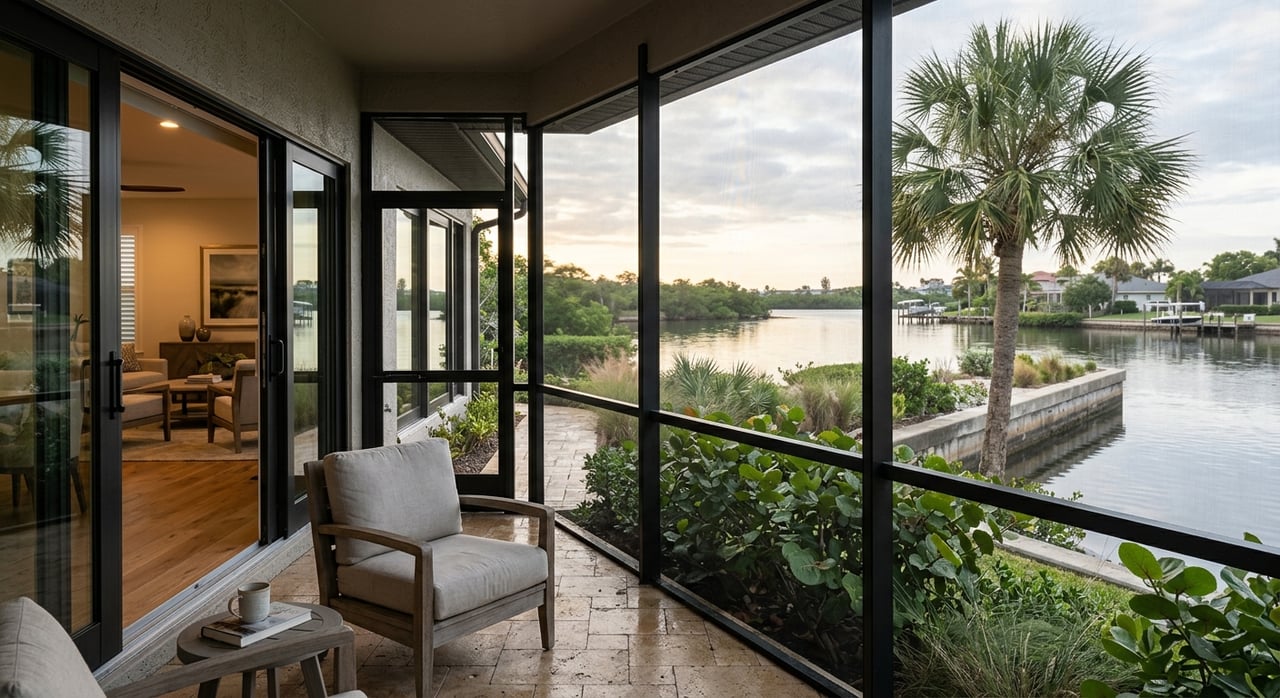
Dreaming about mornings by the water, sunset walks, and easy access to boating or fishing? Living near the Indian River in Edgewater, FL can offer that relaxed, river-centered lifestyle, but it also comes with practical questions about flood zones, shoreline upkeep, and everyday convenience. If you are thinking about buying a home in this area, it helps to understand both the appeal and the responsibilities before you make a move. Let’s dive in.
Why Edgewater Feels Different
Edgewater has a small-town, waterfront identity that shapes daily life. According to the City of Edgewater vision statement, the city spans 25 square miles, has an estimated 2024 population of 24,981, and includes 15 parks across 151 acres.
That matters because living near the Indian River here is not just about views. It is about being in a community that places real value on parks, public access, and an outdoor lifestyle tied closely to the water.
The Indian River Lifestyle
The water along Edgewater is part of the Indian River Lagoon, a shallow estuary that stretches 156 miles along Florida’s coast. NASA describes the lagoon as one of the most biodiverse lagoon ecosystems in the Northern Hemisphere, with more than 3,000 species of plants and animals.
That creates a setting that feels scenic, active, and closely connected to nature. At the same time, NASA also notes ongoing environmental stressors like algal blooms, seagrass loss, and water-quality issues, so living near the lagoon often comes with a stronger awareness of stewardship and maintenance.
Everyday River Access in Edgewater
One of the biggest advantages of living near the Indian River in Edgewater is that the waterfront is woven into everyday routines. You do not need to plan a full weekend outing just to enjoy it.
Menard-May Park Access
Menard-May Park is one of the clearest examples of practical riverfront living. The city says its paddling trails launch from the park’s beach area, and the park includes restrooms, a beach launch point, a fishing pier, and parking.
The same city guide notes that the park is within walking distance of City Hall, a U.S. post office, a hardware store, and restaurants. That gives the riverfront a more everyday feel, rather than making it seem like a destination you only visit once in a while.
More Parks Along the River
The city’s resident information guide highlights several more public spaces that support river-oriented living:
- George R. Kennedy Memorial Park with four boat ramps, a fishing pier with gazebo, and restrooms
- Veterans Park with a riverside fishing pier and picnic area
- Riverwalk, a scenic 3.5-mile sidewalk that runs parallel to the Indian River
- Hawks Park, a 44-acre recreation complex with a heated pool, fields, a nature trail, conservation area, and amphitheater
Together, these spaces show that river life in Edgewater is not limited to boat owners. You can enjoy it through walking, paddling, fishing, picnics, and community recreation.
Community Events by the Water
The riverfront also plays a role in local events and gatherings. The city’s Holiday Boat Parade information notes that people can enjoy the parade from Menard-May Park, Kennedy Park, and along Riverside Drive.
The city also allows pavilion and gazebo reservations at parks including Menard-May Park, Rotary Park, Kennedy Park, and Highland Park. That adds another layer to the lifestyle, since these river-adjacent spaces serve as places to gather with friends and family, not just launch a kayak or cast a line.
What Buyers Often Look For in River-Adjacent Homes
When you start looking at homes near the Indian River in Edgewater, the conversation often shifts away from style alone and toward how the property works with the water. In a waterfront-oriented community, access and usability often matter just as much as square footage.
The city’s community redevelopment vision supports that idea by describing Edgewater as a waterfront-oriented community with distinctive neighborhoods and a high quality of life.
Features That May Matter More
If you are comparing homes near the river, you may want to pay close attention to:
- Direct or nearby water access
- Outdoor living space
- Storage for boating or paddling gear
- Shoreline condition
- Long-term yard and landscape maintenance needs
These details can shape how often you actually enjoy the property and how much upkeep it may require over time.
Shoreline Care Is Part of Ownership
For river-adjacent homes, the shoreline itself can become one of the most important parts of the property. It is not just a backdrop. It can affect maintenance, stability, and long-term costs.
UF/IFAS explains that coastal communities can face shoreline erosion from tropical storms, boat wakes, and sea level rise. It also notes that traditional shoreline protection may include seawalls and bulkheads, while living shorelines use plants, oyster reefs, and other natural materials to help stabilize the shore and support habitat.
That means if you are considering a waterfront or shoreline property, it is smart to ask not only what protections are in place, but also how they have been maintained and whether they fit the site well.
Landscaping Near the Water
Landscaping matters more than many buyers realize. UF/IFAS Florida-Friendly guidance recommends a 10-foot low-maintenance zone around water bodies with no mowing, fertilizing, or pesticide use in that strip, and encourages native aquatic or shoreline plants.
The same guidance notes that hard shoreline edges like seawalls can help reduce erosion but may also contribute to runoff and erosion impacts on nearby shorelines. For you as a buyer, that means the yard is not just cosmetic. It can be part of the property’s long-term environmental impact and upkeep plan.
Flood Zones and Due Diligence
If you are serious about buying near the Indian River, flood risk should be one of your first research steps. General impressions are not enough, because flood-zone designations can vary from one parcel to the next.
The official public source for flood-hazard information is FEMA’s Flood Map Service Center. FloodSmart notes through FEMA resources that A and V zones are high-risk flood areas where flood insurance is typically required for federally backed mortgages.
Questions Worth Asking
Before you move forward on a river-adjacent property, consider asking about:
- Elevation
- Prior flooding history
- Drainage patterns
- Shoreline condition
- Dock, seawall, or waterfront improvement approvals
- Maintenance history for any waterfront structures
These questions can help you understand the true cost and condition of a property, not just the view from the backyard.
Is Living Near the Indian River Right for You?
For many buyers, the appeal is easy to understand. Edgewater offers a calm setting, public launches, fishing piers, parks, trails, and community gathering spaces that keep the river part of everyday life.
The tradeoff is that waterfront-oriented living usually asks a little more from you. Insurance review, maintenance planning, and shoreline awareness all become part of the ownership picture.
If that balance sounds right to you, living near the Indian River in Edgewater can feel less like a vacation fantasy and more like a practical, enjoyable way of life. And if you want local guidance on neighborhoods, property features, or what to look for as you compare homes, Stacy Kelly can help you navigate the process with clear advice and local insight.
FAQs
What is it like to live near the Indian River in Edgewater, FL?
- Living near the Indian River in Edgewater often means easy access to parks, fishing piers, paddling trails, boat ramps, and riverfront walking areas, all within a small-town setting.
What parks offer river access in Edgewater, FL?
- Menard-May Park, George R. Kennedy Memorial Park, and Veterans Park all offer river-oriented access, while Riverwalk and Hawks Park add more options for walking and recreation.
What should buyers check before purchasing a river-adjacent home in Edgewater?
- Buyers should verify the exact flood zone, ask about elevation and prior flooding, review drainage and shoreline condition, and confirm permits or approvals for docks, seawalls, or other waterfront improvements.
Are shoreline maintenance concerns important for Indian River homes?
- Yes. Shoreline erosion, landscaping practices, and the condition of protective features like seawalls or living shorelines can all affect long-term maintenance and ownership costs.
Does Edgewater offer a practical waterfront lifestyle or just scenic views?
- Edgewater offers both. The city’s parks, paddling access, fishing piers, Riverwalk, and community events make the waterfront part of daily life, not just something to look at.