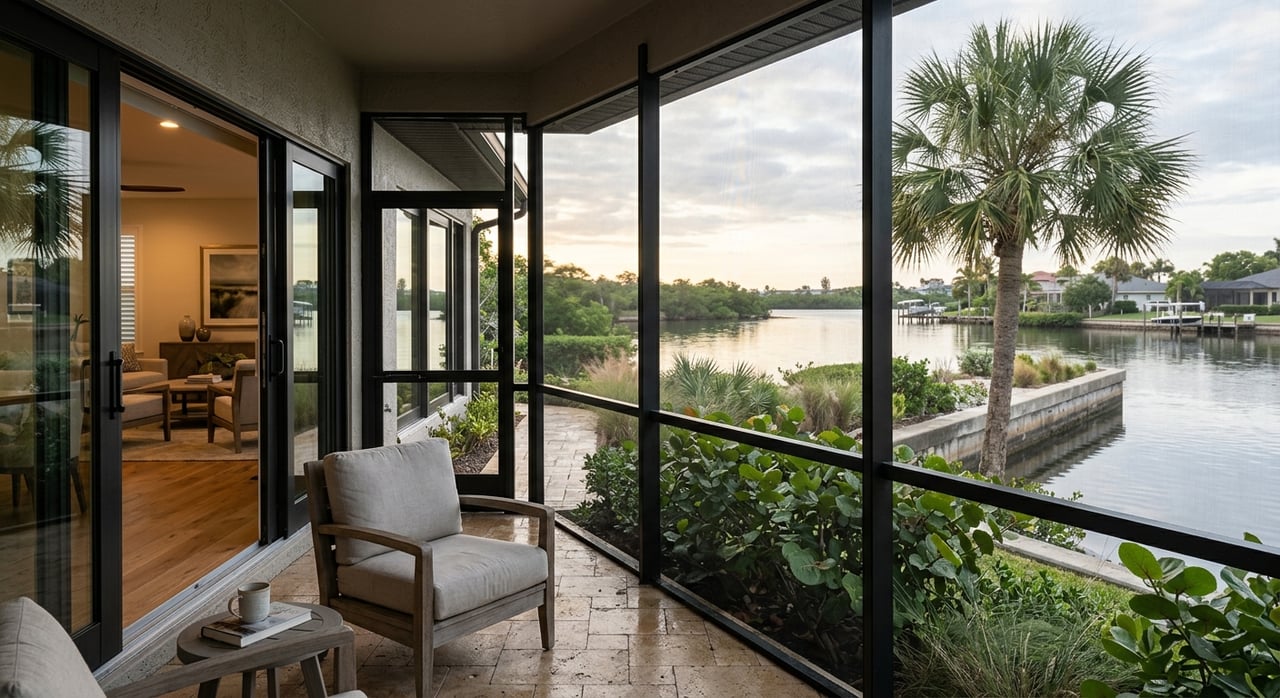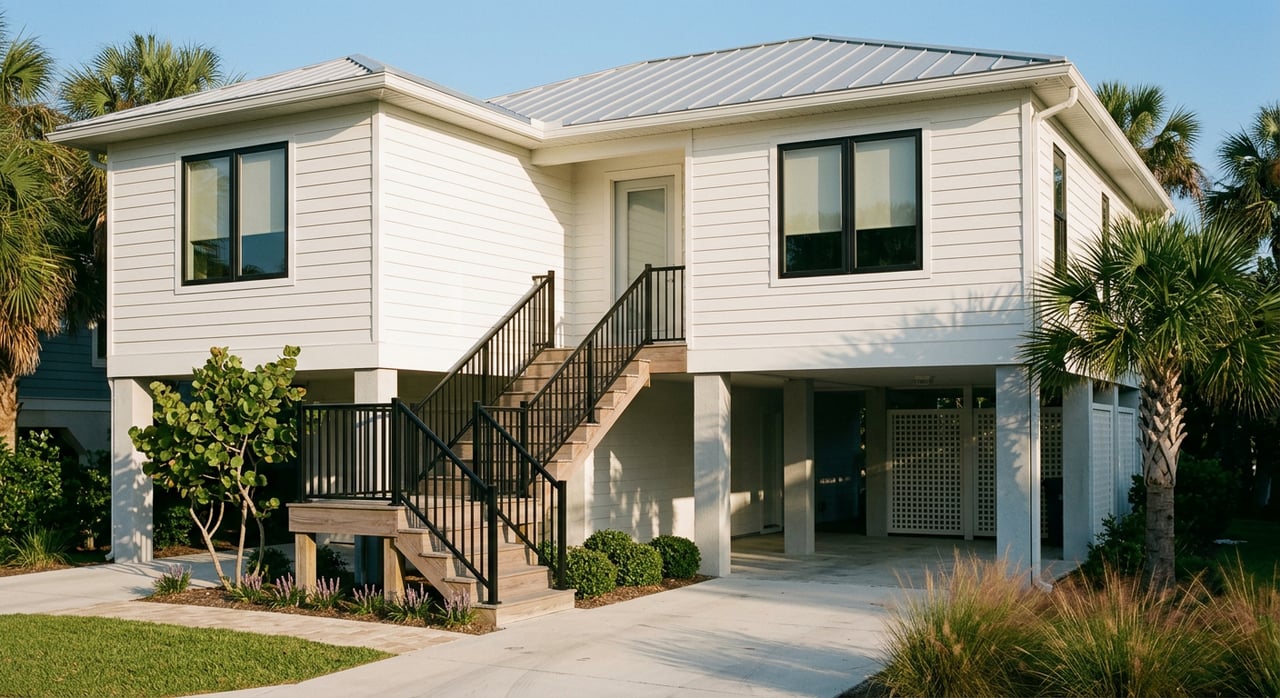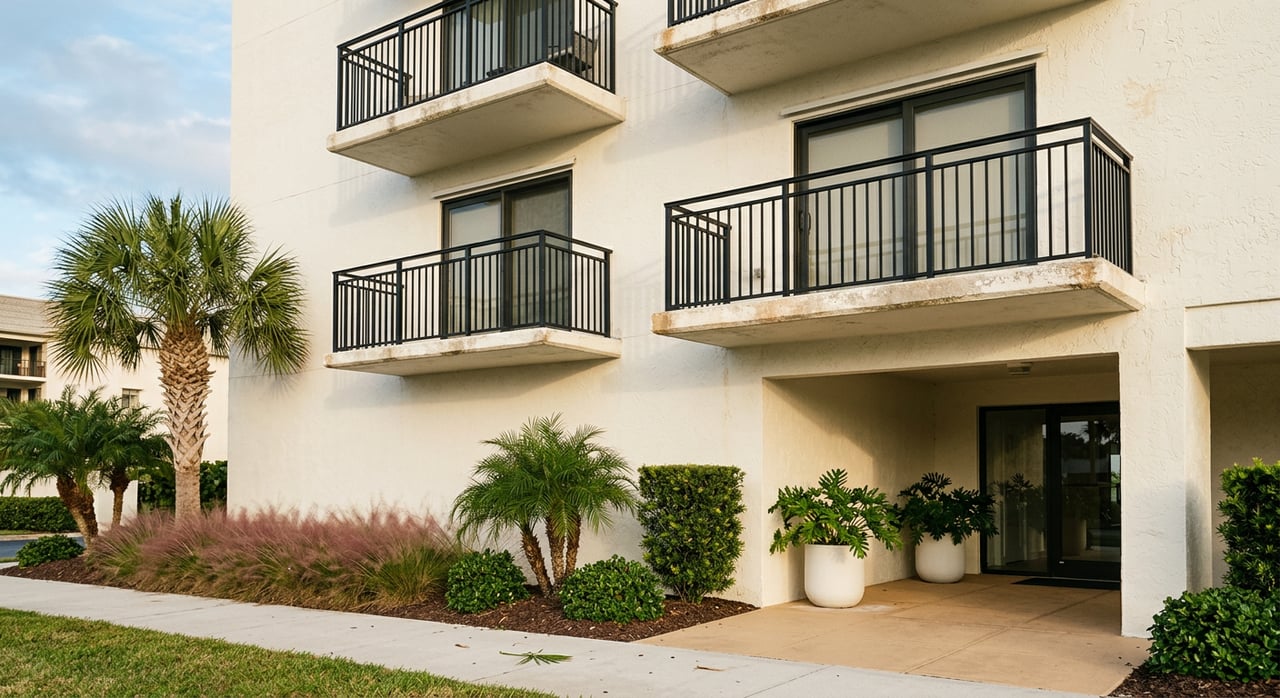
House or condo in Ormond Beach? If you are weighing beach access against a backyard, or simple upkeep against more freedom, you are not alone. With a large share of retirees, seasonal owners, and families in town, each option has a strong audience. In this guide, you will compare real costs, maintenance, financing, and resale factors so you can choose with confidence. Let’s dive in.
Ormond Beach market at a glance
Prices vary by data source and timing. For early 2026, Zillow’s average home value for Ormond Beach is around $357,000, while Redfin reported a median sale price near $400,000 for January 2026. Different methods and property mixes create the spread, so look at the date and the metric when you compare.
Condo pricing swings with building age, amenities, and location. Inland and golf‑community condos tend to sit in lower price bands. Oceanfront buildings on the A1A peninsula and along Ocean Shore Blvd often list higher, and monthly fees increase with amenities and building insurance.
Ormond Beach has a sizable older population. About 33 percent of residents are age 65 or older, according to U.S. Census QuickFacts. That helps explain steady demand for low‑maintenance condos and for single‑family homes that suit downsizing or multigenerational living.
Where homes and condos cluster
Condos along the coast
You will see condo buildings concentrated on the beach peninsula, especially along A1A and Ocean Shore Blvd, plus smaller inland complexes. Many oceanfront buildings include pools, elevators, and beach access. Higher amenities and building insurance often mean higher monthly dues.
Single‑family inland communities
Most single‑family homes are on the mainland side in established neighborhoods and planned communities like Halifax Plantation, Plantation Bay, and the Tomoka area. You will find private lots, yards, and in some cases gated entries with golf and clubhouse amenities. HOA dues in these communities usually cover landscaping of common areas and amenities, not the maintenance of your home itself.
Maintenance and responsibilities
Single‑family upkeep
When you buy a house, you control the land and the home’s exterior. You are typically responsible for the roof, siding or stucco, yard and landscaping, driveways, and any private pool. Near the coast, salt air accelerates wear on exterior finishes and metal components, so expect more frequent exterior care for ocean‑proximate homes. Research on marine environments confirms faster corrosion in salt air, which raises maintenance needs over time (coastal corrosion overview).
Condo upkeep split
In a condominium, the association maintains and insures common elements like the building exterior, roof if defined as common, elevators, landscaping, and shared amenities. Florida’s Condominium Act details association powers and duties, so always review what your building defines as a common element versus a unit (Florida Statute 718.111). As an owner, you typically handle “walls‑in” items such as interior finishes, appliances, and HVAC, and you purchase an HO‑6 condo policy for your unit. An HO‑6 can include loss‑assessment coverage, which may help if the association levies an assessment tied to an insurance deductible or uncovered loss (HO‑6 and master policy basics).
Fees, insurance, and monthly costs
Condo and HOA fees in Ormond Beach vary widely. Many inland or low‑amenity communities run about 50 to 300 dollars per month. Mid‑range buildings with pools and on‑site services often range from 300 to 800 dollars per month. Larger oceanfront towers with extensive amenities and building insurance can reach 700 to 1,300 dollars or more per month. These ranges illustrate variability rather than a market average, so verify actual numbers for each property.
What do fees usually cover? Expect building insurance for common elements, landscaping, pool and amenity maintenance, elevator service, common utilities like water or trash in some buildings, management fees, and reserve contributions. Ask for the current budget, line items, and reserve funding plan before you write an offer. For older coastal towers, also ask about special assessments or pending projects tied to structural needs or new compliance requirements (Florida inspection and reserve rules summary).
Insurance is structured differently for condos. Associations carry a master policy for common elements. Unit owners carry HO‑6 coverage for interior improvements and personal property, and often add loss‑assessment coverage to help with deductibles or certain assessments, depending on the policy language (condo insurance guide). Houses typically require a standard homeowners policy and, if the home sits in a Special Flood Hazard Area, separate flood insurance.
Financing and condo approvals
Conventional lenders often require a review of the condo project before they will approve or purchase a condo loan. Lenders check for adequate reserves, insurance, litigation, and other project health factors. Buildings that do not meet guidelines may be labeled non‑warrantable, which can limit financing options or increase down payment needs. Ask your lender early about the building’s review status so you know your path and timeline (Fannie Mae condo project review).
Resale, rules, and new Florida requirements
Resale dynamics
Single‑family homes usually appeal to a broad buyer pool. Many families want yards and room to expand, and investors often prefer detached rentals. Condos tend to draw downsizers, retirees, and second‑home buyers who value simplicity. That narrower audience can affect marketing time when the market cools.
Rental rules
Many associations regulate leasing with minimum lease lengths, waiting periods for new owners, or caps on the share of units rented. If rental income or short‑term flexibility matters to you, confirm the rental policy, any local rules, and the approval process before you commit. These rules can affect both your cash flow and your future resale.
Milestone inspections and SIRS
Florida adopted new building safety and reserve requirements for many condos after Surfside. Buildings three stories or higher must complete milestone structural inspections, generally at 30 years, or 25 years in some coastal jurisdictions, then on a set cycle. Associations also must complete a Structural Integrity Reserve Study and fund reserves for certain components. These rules can increase dues or lead to special assessments in older buildings, especially along the coast. Review the most recent reports and board minutes to understand timing and cost impacts (SB 4‑D statutory text, inspection and reserve guidance).
How to choose what fits you
Use these prompts to align the property type with your goals:
- Monthly budget: Add principal and interest, taxes, insurance, and HOA or condo fees. For condos, include expected increases for reserves and potential special assessments.
- Time and maintenance: Prefer low touch living. A condo may fit. Want a yard, garden, or workshop. A house often wins.
- Risk comfort: Older coastal towers can face structural work and reserve catch‑up, which may mean assessments. Near‑beach homes face faster exterior wear and possibly higher insurance and flood costs. Pick the exposure you understand and can manage.
- Financing: If you want maximum loan flexibility, some buyers find houses simpler. If you prefer a condo, check the project review status with your lender before you tour.
- Lifestyle: Love ocean views, a pool, and no lawn care. Put condos high on your list. Want space for pets, a grill, or a future addition. Focus on houses.
Buyer checklists
If you lean condo
- Request the current association budget and recent bank statements. Look for reserve contributions and any planned projects or assessments (inspection and reserve guidance).
- Read the most recent Structural Integrity Reserve Study and any milestone inspection summary for 3 plus story buildings. Note timelines, cost estimates, and funding plans (SB 4‑D text).
- Review the master insurance declarations to learn coverage limits and deductibles. Confirm your HO‑6 needs and consider loss‑assessment options with your insurer (condo insurance guide).
- Confirm rental policies and any owner‑occupancy or transfer rules that could affect future resale.
- Ask your lender to vet the building’s eligibility and review status early (Fannie Mae condo project review).
If you lean single‑family
- Check the FEMA flood zone and elevation for the parcel and any pending map changes. Flood insurance may be required in Special Flood Hazard Areas (FEMA notice and mapping updates).
- Review building permits and any open code items. Pay close attention to roofs, stucco, windows, and exterior metals near the coast since salt air accelerates wear (coastal corrosion overview).
- If the home is in an HOA, read the CC&Rs, rules, and budget to know what is covered and how reserves are handled.
- For primary residences, review Volusia County homestead exemptions and how they affect your annual tax planning (Volusia County Property Appraiser exemptions).
What this looks like in Ormond Beach
If you want the ocean as your backyard and you prefer a place with a pool you do not have to maintain, a condo along A1A or Ocean Shore Blvd could be a great fit. Expect a higher monthly fee that often includes building insurance, common utilities, and amenities. Read the building’s reserve reports before you bid.
If you want a yard, a private garage, and the freedom to personalize, look inland to neighborhoods on the mainland side or planned communities like Halifax Plantation or Plantation Bay. You will handle more maintenance, but you will also enjoy more control and outdoor space. Near the coast, budget for faster exterior upkeep.
Next steps
Choosing well is about matching your lifestyle to real numbers and local realities. If you want a second set of eyes on dues, reserves, flood zones, or project eligibility, you can get local, one‑on‑one guidance and a plan that fits your timeline. Reach out to Stacy Kelly to compare specific properties and take your next step with clarity.
FAQs
What are typical condo HOA fees in Ormond Beach?
- Fees vary by building, age, and amenities. Many inland or lower‑amenity condos run about 300 to 800 dollars per month, while large oceanfront towers can reach 700 to 1,300 dollars or more. Always verify the current budget and what the fee covers.
How do Florida milestone inspections and SIRS affect condo buyers?
- Many buildings three stories or higher must complete milestone structural inspections and a Structural Integrity Reserve Study, which can increase dues or lead to special assessments to fund needed work. Review the latest reports before you offer (SB 4‑D text, inspection and reserve guidance).
What insurance do condo owners need compared to homeowners?
- Condo associations carry a master policy for common elements. Unit owners buy an HO‑6 policy for interiors and personal property, often with loss‑assessment coverage. House owners carry a standard homeowners policy and may need flood insurance depending on location (condo insurance guide).
Why can condo loans be harder to secure than house loans?
- Lenders often review the entire condo project for reserves, insurance, litigation, and other criteria. Buildings that do not meet guidelines may be non‑warrantable, which limits financing options or raises down payment needs (Fannie Mae condo project review).
Are single‑family homes near the beach harder to maintain?
- Yes, coastal exposure speeds up corrosion and wear on exterior finishes and metals, which can raise maintenance frequency and cost. Plan for more frequent painting, hardware replacement, and roof checks near the ocean (coastal corrosion overview).
Do Ormond Beach condos allow short‑term rentals?
- Policies vary by association. Many buildings limit lease length, cap the share of units rented, or require board approval. Always review the governing documents and confirm any local rules before you buy.