Selling soon and worried your appraisal could limit your sale price? You are not alone. A strong appraisal can keep your contract on track, especially in coastal markets like Daytona Beach. In this guide, you will learn exactly what appraisers look for, how to prepare your home and paperwork, and what to do if the value comes in low. Let’s dive in.
How a lender appraisal works
A mortgage appraisal is an independent opinion of value ordered by the lender to confirm the home secures the loan. You usually pay the fee, and you are entitled to a copy of the report before closing. Learn the basics in this clear overview from the Consumer Financial Protection Bureau. Here is how mortgage appraisals work.
Do not confuse this with the county’s tax assessment. The Volusia County Property Appraiser sets values for taxes, which is a different process. If helpful, you can share parcel records or surveys from the county site with the appraiser. Explore public records on the Volusia County Property Appraiser site.
What appraisers look for
Comparable sales and size
Appraisers study recent closed sales that match your home’s location, size, age, and features. Many loans follow ANSI measurement rules for above‑grade finished area, which affects how square footage is counted. See Fannie Mae’s update on measurement standards in the Appraiser Update on ANSI.
Condition and safety
Major issues like roof damage, active leaks, exposed wiring, missing handrails, or inoperative systems can reduce value or trigger repair requirements. Government-backed loans have minimum property standards for “safe, sound, sanitary.” Review FHA guidance in the HUD Single Family Housing Policy Handbook.
Permits and legal status
Unpermitted additions or conversions are treated cautiously and may be discounted. Documented permits and final inspections can strengthen your case for value, especially for added square footage and major system upgrades. See Fannie Mae’s guidance on improvements and permits in the Selling Guide.
Coastal and condo factors
In Daytona Beach, appraisers note flood-zone designation, elevation data, and insurability. Elevation Certificates and flood insurance records help lenders assess risk. Check your zone on FEMA’s Flood Map Service Center.
If you own a condo or townhome, the project’s budget, reserves, owner‑occupancy rate, and approval status for certain loans can affect financing. Learn how project approval can impact buyers in this overview of VA-approved condos.
Your pre‑appraisal prep plan
Urgent fixes first
- Confirm no obvious safety hazards: working smoke and CO alarms, secure railings, covered outlets, no active leaks, clear trip hazards.
- Roof matters. If you have a recent inspection or replacement receipt, have it ready.
- Make sure HVAC, water heater, electrical panel, and plumbing are operational, and gather service records.
- If in a mapped flood zone, locate the Elevation Certificate and flood‑insurance declarations. You can verify your zone on FEMA’s Flood Map Service Center.
High‑impact tasks in 1–4 weeks
- Handle visible repairs that appraisers commonly note: broken panes, missing handrails, damaged siding, failed caulk or grout.
- Compile a one‑page improvements summary with dates, contractors, costs, and permits for items like kitchens, baths, windows, roof, and HVAC. Fannie Mae explains why this documentation matters in the Selling Guide.
- If any work is unpermitted, talk with your agent about options. You may seek retroactive permits, disclose and price accordingly, or adjust advertised square footage.
Curb appeal and access
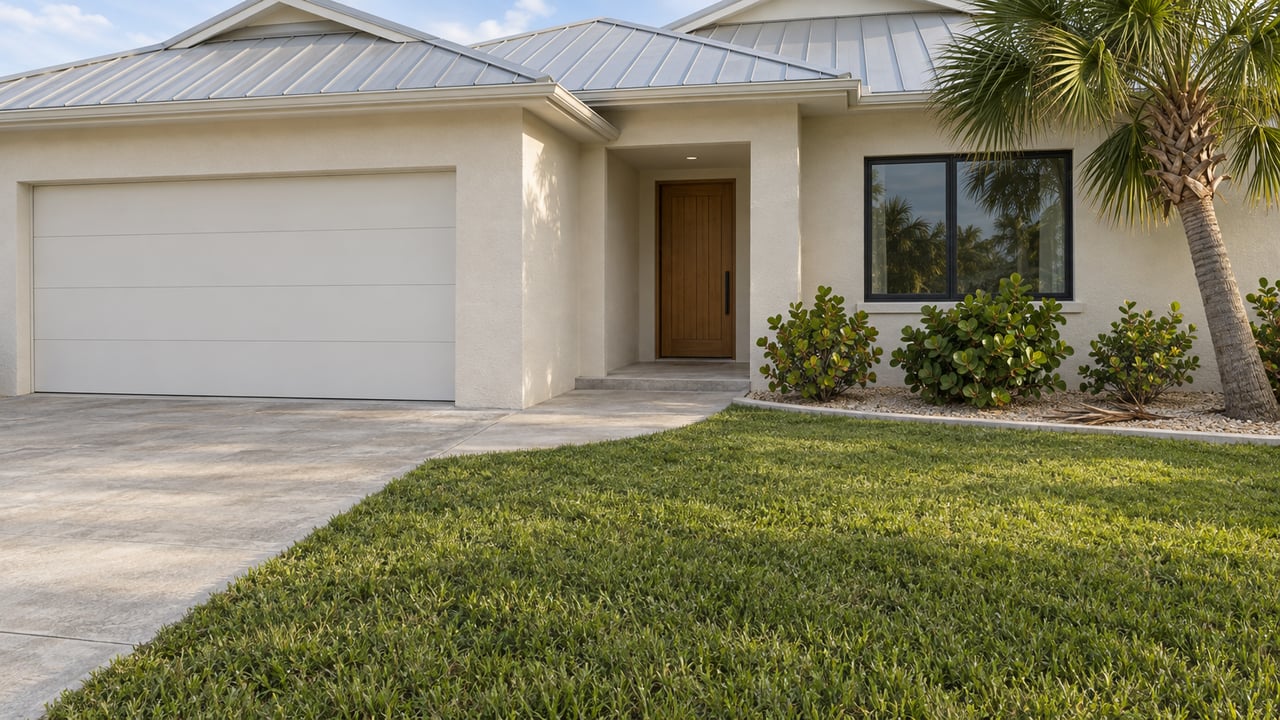
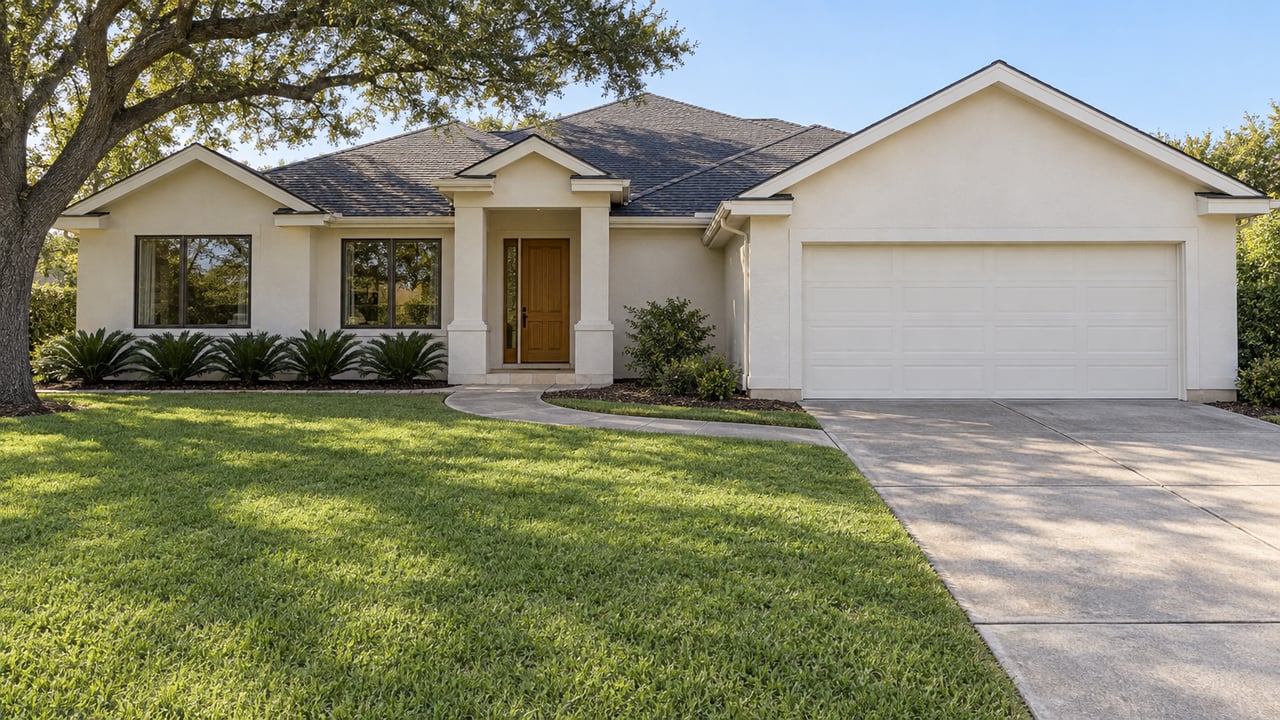
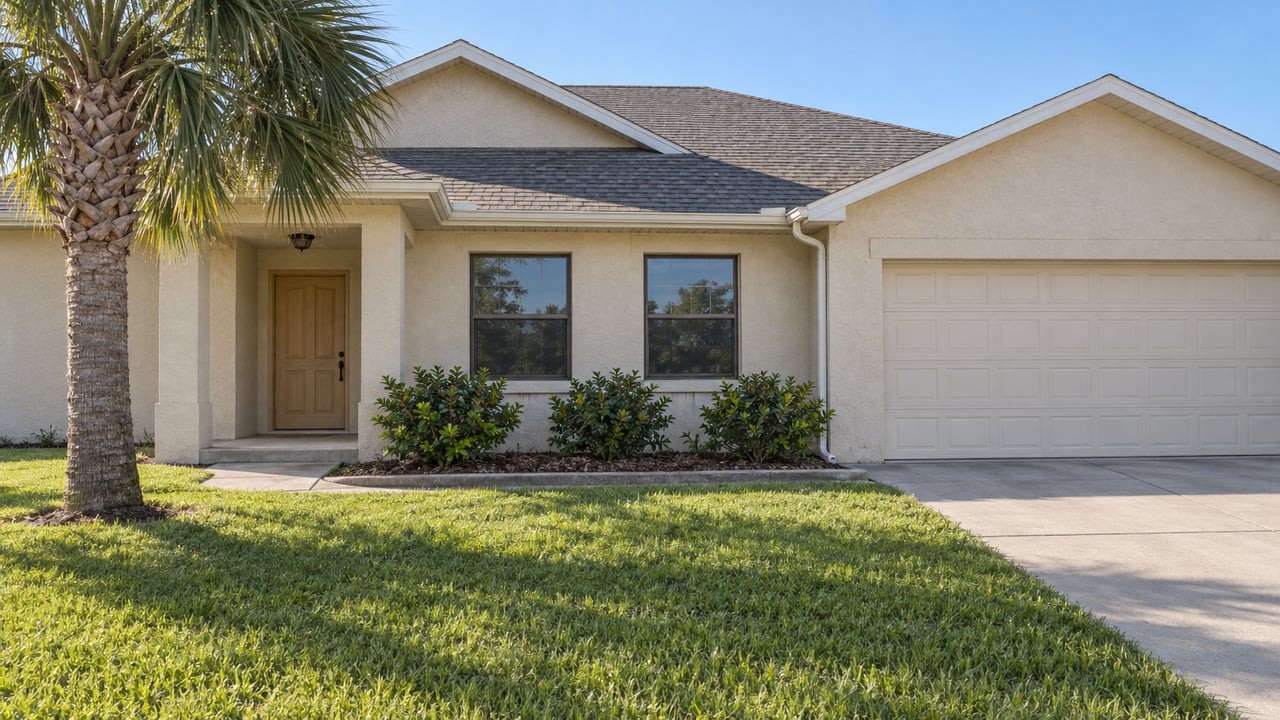
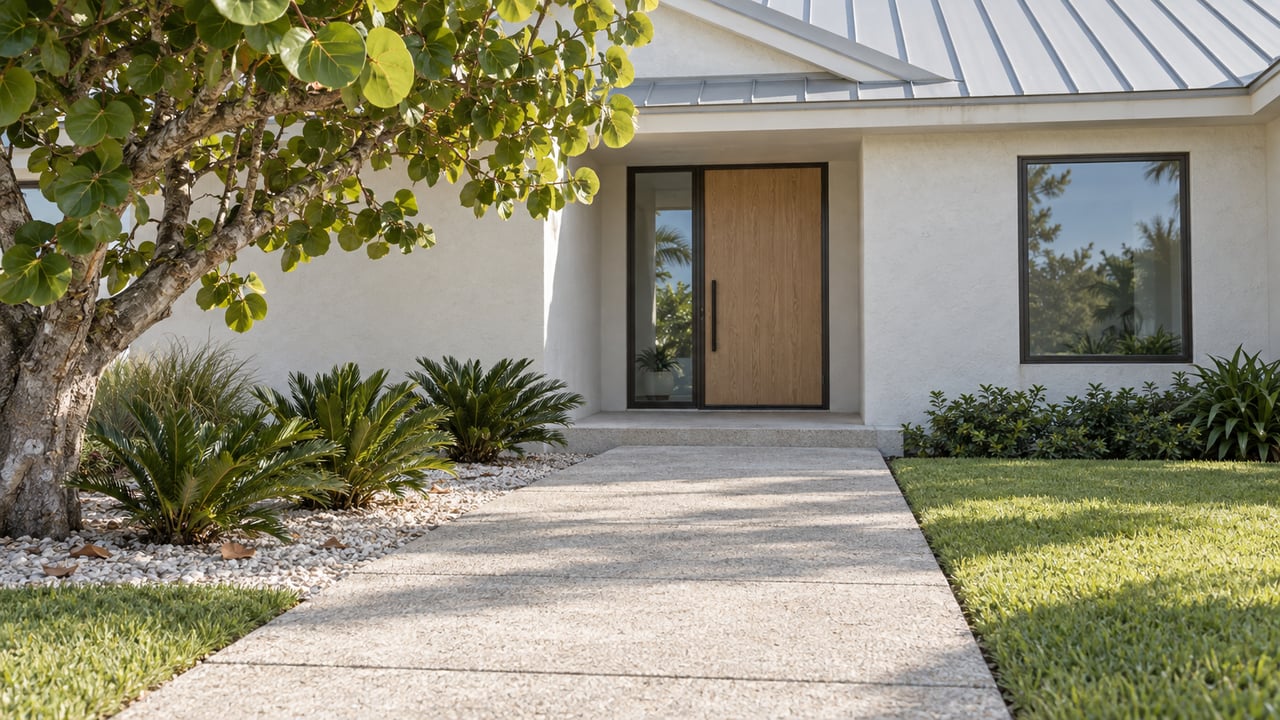
- Tidy landscaping, clean walkways and driveway, replace burned‑out bulbs, and clear gutters.
- Inside, declutter, wipe down surfaces, open blinds, and turn on lights.
- Ensure clear access to the attic, crawlspace, panel, water heater, HVAC, garage, and pool equipment.
Day‑of appraisal checklist
- All utilities on and major systems running.
- Clear access to mechanicals, attic, and any locked areas; unlock gates and secure pets off‑site.
- A concise handoff packet: improvements summary with permits, survey or plot plan, any recent inspections, HOA documents if applicable, and a short list of relevant comparable sales your agent recommends. Provide the packet, then give the appraiser space to work.
Documents to gather in Volusia County
- Improvements summary with dates, contractors, receipts, and warranties. This highlights value‑adding work.
- Building permits and final inspections or permit numbers. Appraisers must comment on permit status, especially for added square footage. See Fannie Mae’s improvements guidance.
- Property survey or plot plan. You can often locate lot data or records via the Volusia County Property Appraiser.
- Elevation Certificate and flood‑insurance declarations. These are important for coastal underwriting. Look up your area on FEMA’s Flood Map Service Center.
- HOA or condo documents: budgets, reserve studies, meeting minutes, insurance declarations, and any special assessment notices. Buyers’ financing can depend on project health; learn more about condo project approval considerations.
- Recent inspection or service reports for roof, HVAC, plumbing, electrical, and termite or WDO.
- Any recent appraisal and a short comp packet your agent prepared for quick reference.
Pricing strategy and your contract price
Set a price the appraisal can support
Daytona Beach pricing varies by ZIP code, product type, and whether you are beachside or mainland. That means a single citywide number can mislead you. To see how wide ranges can be, review a ZIP snapshot like this example for 32114 and confirm current figures with your agent.
Consider pre‑listing valuation for complex homes
If your property is unique, waterfront, or in a rapidly shifting submarket, consider a pre‑listing appraisal or other valuation to flag issues early and help you price with confidence. This can surface permit gaps, flood documentation needs, or safety repairs before buyers and lenders get involved.
If the appraisal comes in low
You have options. The buyer can bring extra cash, you can adjust price, or you can split the difference. You can also request a Reconsideration of Value through the lender if there are missed comps or factual errors. Learn how the process works in Fannie Mae’s ROV guidance.
A simple step‑by‑step plan:
- Review the report for errors in beds, baths, square footage, and condition. 2) Share a corrections packet with permits, survey, and valid comparable sales through the lender’s ROV channel. 3) Ask the buyer if they can bridge some or all of the gap while ROV is pending. 4) If needed, renegotiate price or credits to keep the deal together.
Daytona Beach extras to check
- Flood zone and elevation. If your property is in AE or VE, expect flood insurance requirements and close review of elevation details. Verify your zone on FEMA’s Flood Map Service Center.
- Waterfront structures. Seawalls, docks, and shoreline improvements should have permits and maintenance records. Gather any engineer letters or service invoices you have.
- Short‑term rental operations. If you run an STR, be sure you have proper registrations and tourist tax accounts. Learn about Volusia County’s transient tax requirements in the Tourist Development Tax FAQ. Your agent can help confirm local and HOA rules.
7‑day and 30‑day quick timeline
7 days before the appraisal
- Gather permits, receipts, surveys, Elevation Certificate, HOA docs, and warranties.
- Fix safety items and ensure all utilities are on.
- Tidy curb appeal and declutter interior spaces.
30 days before listing (if time allows)
- Complete obvious deferred maintenance and close out any quick permits.
- Consider a pre‑listing appraisal or pre‑inspection for complex or coastal homes.
- Work with your agent to prepare a compact comp packet and improvements summary.
Ready for your appraisal?
When you prepare your Daytona Beach home with the right repairs, documents, and pricing strategy, you reduce surprises and protect your contract price. If you want local help assembling your appraisal packet, flood and permit records, and a comp set that mirrors how an appraiser will value your home, reach out. Connect with Stacy Kelly for neighborhood‑level guidance and Get Your Free Home Valuation.
FAQs
What is a mortgage appraisal and who orders it?
- The lender orders the appraisal to estimate value for the loan, you usually pay for it, and you are entitled to a copy; see the CFPB’s overview of how appraisals work.
How do appraisers count square footage in Daytona Beach?
- Many loans follow ANSI rules for above‑grade finished area, ceiling height, and nonstandard spaces; review Fannie Mae’s ANSI measurement update.
Do unpermitted additions help or hurt my value?
- Appraisers must note permit status and may discount or exclude unpermitted area; documented permits and finals strengthen value per Fannie Mae’s improvements guidance.
How do condo HOA issues affect my appraisal in Volusia County?
- Project budgets, reserves, owner‑occupancy, and loan‑program approval can impact financing and value; learn about project approval considerations for condo loans.
What can I do if the appraisal comes in low on my Daytona Beach home?
- Ask the lender for a Reconsideration of Value with corrected facts and better comps, discuss bridging the gap with the buyer, or renegotiate; see Fannie Mae’s ROV guidance.