Should you wake up to the Atlantic or opt for a bigger yard west of the Halifax River? If you are choosing between Daytona Beach’s beachside and mainland, you are not alone. Each side offers real benefits, from ocean views to lower insurance and easier everyday errands.
In this guide, you will learn what “beachside” and “mainland” mean locally, how prices and housing types differ, what to expect for insurance and HOAs, how bridges shape commutes, and how lifestyle trade-offs play out. You will also get a practical checklist to make a clear decision. Let’s dive in.
Beachside vs. mainland: Quick definitions
“Beachside” refers to homes and condos on the Atlantic-facing barrier island east of the Halifax River, including Daytona Beach beachfront and the town of Daytona Beach Shores. The “mainland” includes neighborhoods west of the river with most single-family subdivisions, larger lots, and business corridors. You can find a clear neighborhood overview on the City’s housing page for added context about these areas’ layouts and communities. See the city’s summary of neighborhoods and communities on the Daytona Beach housing and neighborhoods page.
Daily life between the two sides is shaped by a handful of Intracoastal crossings. The most-used bridges include Seabreeze (SR 430), Main Street, Broadway (US 92), and Veterans Memorial/Orange Avenue. These crossings act as natural choke points during peak hours and event weeks. For a list of river crossings, review the Halifax River bridge listings.
Housing and price patterns
Beachside housing snapshot
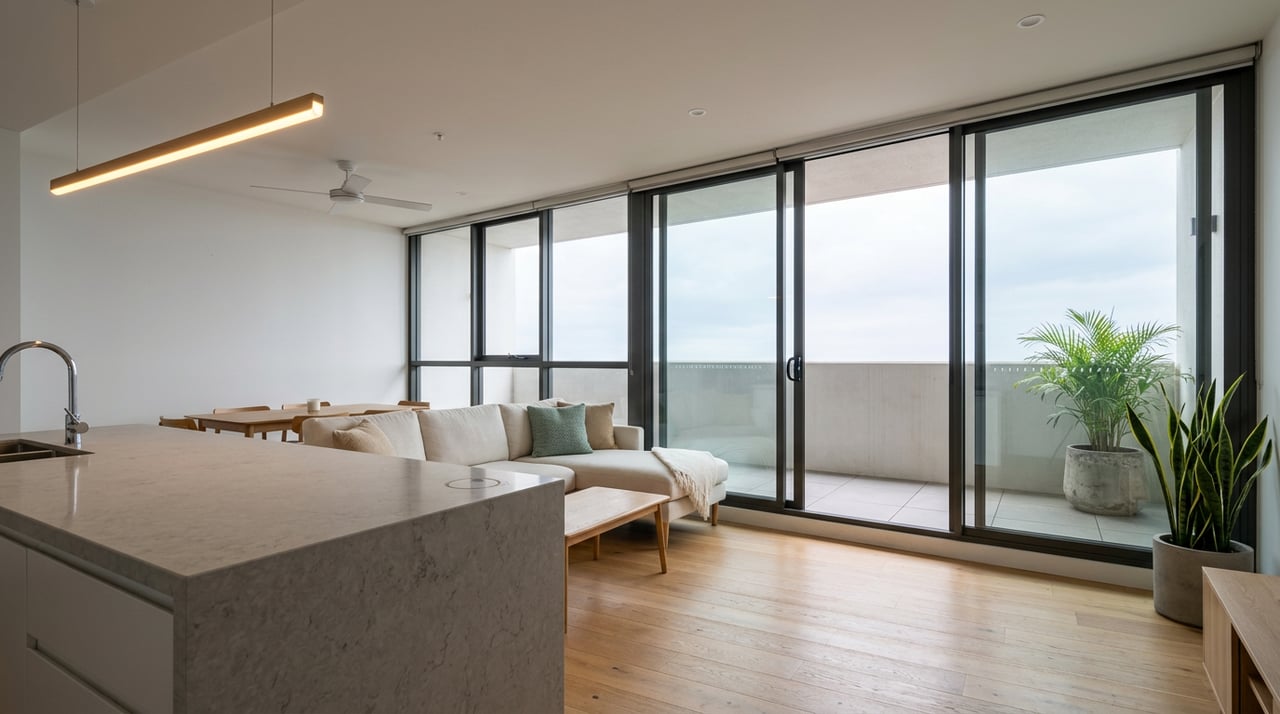
On the peninsula, you will see oceanfront and near-ocean mid and high-rise condos, older beach cottages, and some newer luxury homes and townhomes. Many oceanfront buildings are condominium associations with amenities like pools, covered parking, and elevators. For quick context, ZIP 32118, which covers much of the peninsula and Daytona Beach Shores, posted a median home price around $289,000 in December 2025. Always verify building or street-level values with current MLS comps before relying on a ZIP median.
Buyers choose beachside for ocean views, direct beach access, and walkability to the boardwalk and restaurant clusters. If you like the tourist energy and you value an elevator and on-site amenities, a condo may fit well. If you prefer a small yard and a classic cottage feel, you will find older single-family options sprinkled across the peninsula.
Mainland housing snapshot
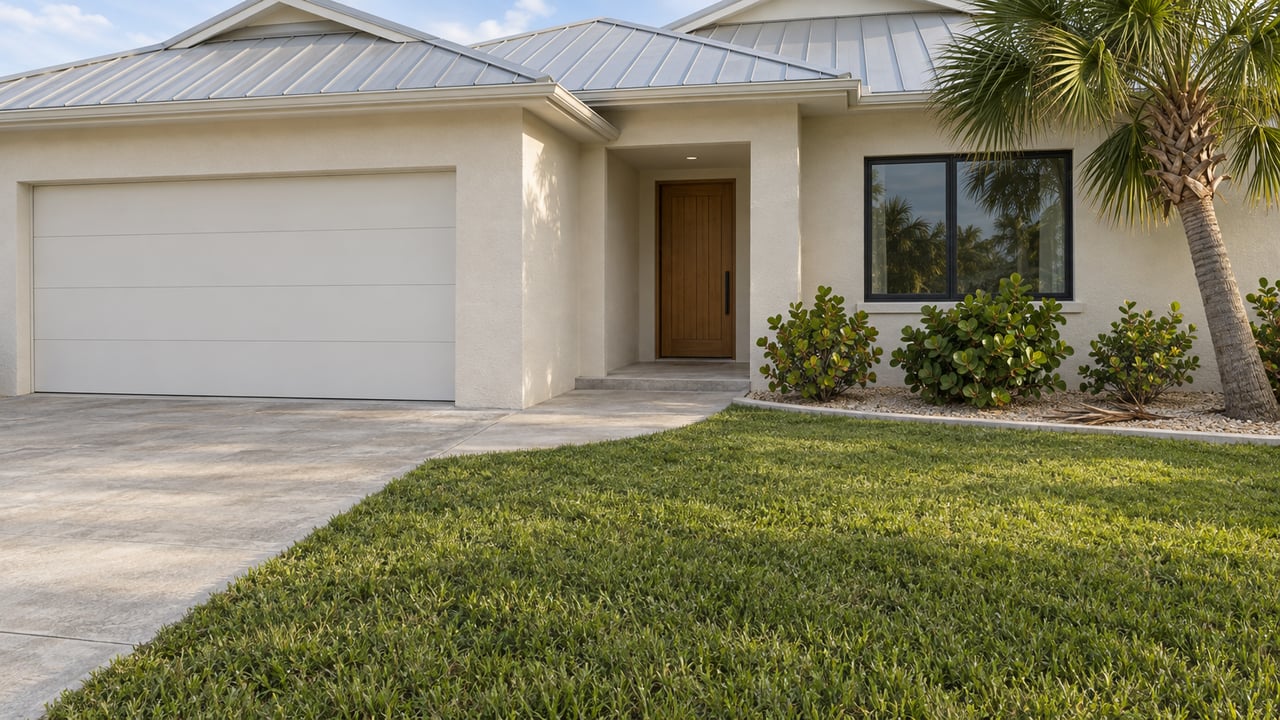
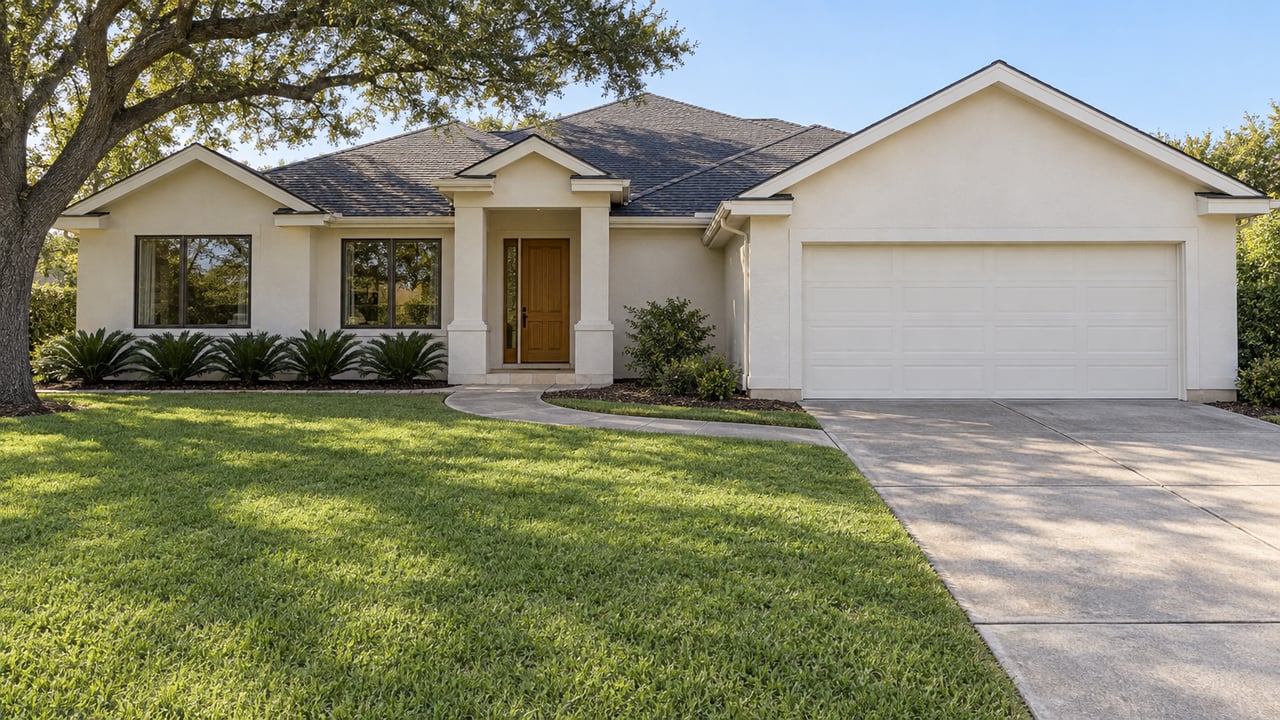
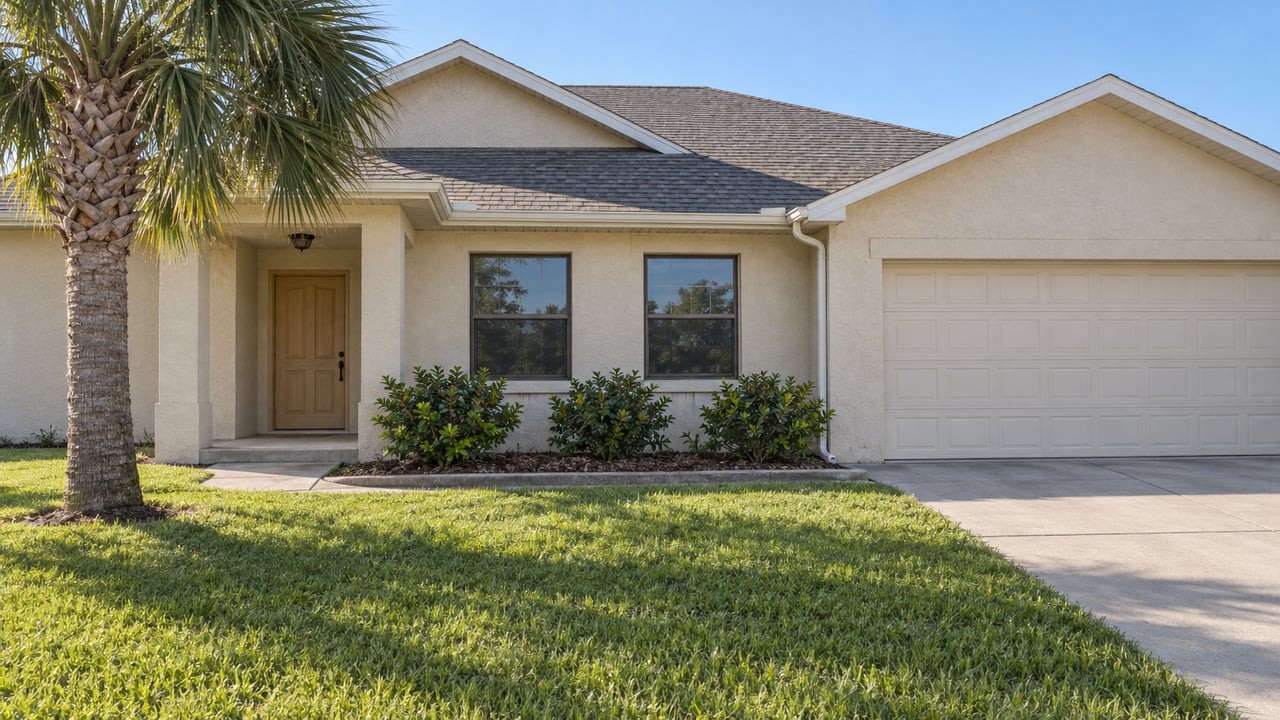
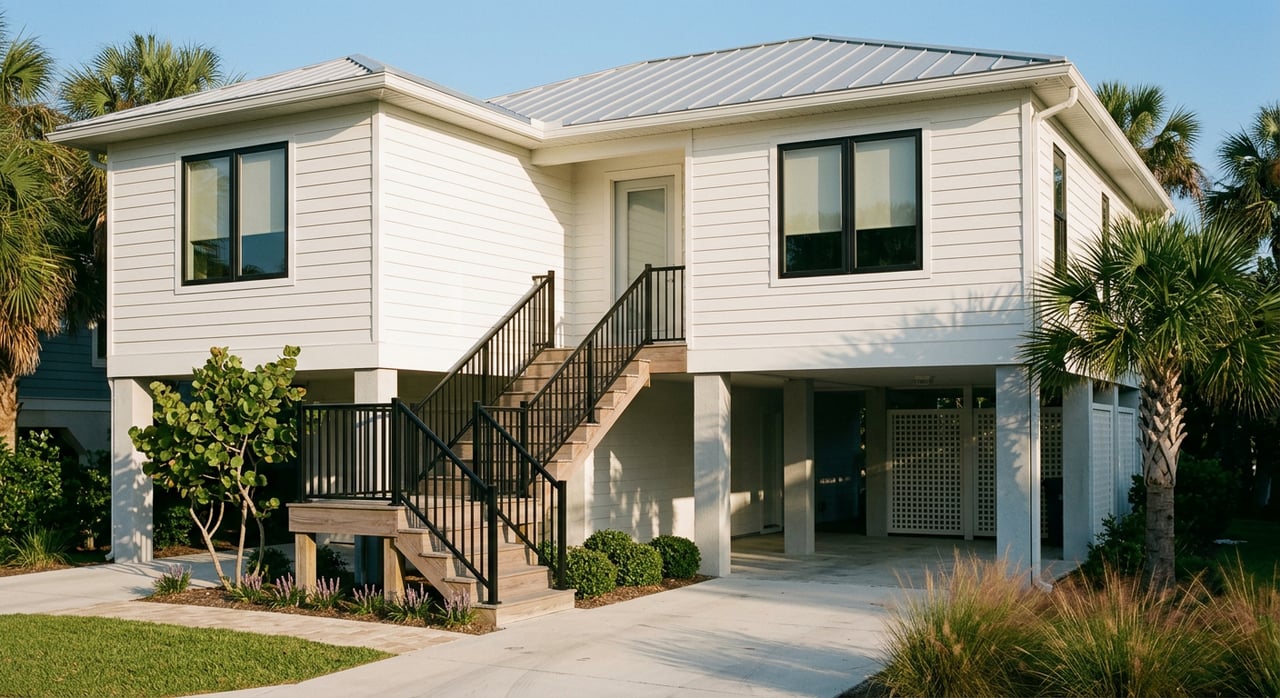
On the mainland, you will find more single-family detached homes, diverse construction ages, and larger yards. You will also see newer suburban subdivisions and golf communities, including well-known master-planned areas near LPGA and Pelican Bay. As a snapshot, ZIP 32119 on the mainland showed a median home price near $250,000 in January 2026. Prices vary by condition, waterfront proximity, and neighborhood design, but you often get more space for your budget inland than you do on the ocean side.
How to compare prices wisely
ZIP medians are helpful for a first look, but they hide key differences between, for example, an oceanfront condo and an inland single-family home. When you get serious, compare:
- An oceanfront condo in a mid/high-rise with HOA dues.
- A small beachside single-family cottage.
- A typical inland single-family home with a yard.
- A Halifax River–adjacent or riverfront property on either side.
Pull current MLS comps, review Volusia County Property Appraiser records, and factor in HOA dues, insurance quotes, and any special assessments before you finalize your target price range.
Costs, insurance, and HOAs
Flood and wind factors
Beachside properties are more often in FEMA Special Flood Hazard Areas, which can trigger lender-required flood insurance. FEMA’s Risk Rating 2.0 ties premiums to property-specific factors like distance to water, elevation, and building features, so two nearby homes can have very different costs. Learn why premiums vary and why early quotes matter by reviewing the Risk Rating 2.0 overview.
New coastal construction and substantial improvements near the ocean or in coastal A/V zones must meet stricter elevation and foundation standards under the Florida Building Code and referenced guidance. For coastal or riverfront homes, request an elevation certificate and review permitting history. See Florida’s technical guidance on elevation and openings in the FDEM coastal construction resource.
Wind and hurricane risk affects both sides. Features like roof age, impact windows, and hurricane straps may improve insurability and reduce premiums. Ask for recent insurance quotes early so you can model your total monthly cost with confidence.
Condo and HOA due diligence
Many beachside condos have HOA dues that cover building insurance, elevators, and shared areas. Older coastal buildings across Florida have seen special assessments for structural repairs and resilience upgrades. Always request HOA budgets, reserve studies, meeting minutes, and any litigation history. Confirm rental rules if you plan to host short-term guests.
Getting around: bridges and commutes
Bridges and major roads
Because there are only a few east–west arteries, your daily routine will center on a specific bridge or two. Peninsula residents typically use SR A1A for north–south travel, then connect to Seabreeze, Main Street, Broadway/US 92, or Veterans Memorial to reach the mainland. Regional travel runs along I-95, US 92/International Speedway Boulevard, and SR 400/I-4. For context on regional connectors, see this overview of I-4’s role in Central Florida.
If you commute inland for work or school, time your trips to avoid rush periods at bridge approaches. Routes can change materially depending on the bridge you choose and time of day.
Events and daily routines
Daytona’s marquee events, including SpeedWeeks/Daytona 500 and Bike Week, bring predictable surges along US 92, I-95 approaches, and peninsula streets. During these periods, beachside residents may see temporary access limits and altered traffic patterns. For event timing and visitor impacts, consult the tourism bureau’s local tips and event FAQs.
Lifestyle and amenities
Beachside lifestyle
Beachside living offers direct ocean access, the Boardwalk and Ocean Walk Shoppes, and a dining-and-entertainment scene that can feel like vacation steps from home. You will also see more day-tourism noise and seasonal crowds, plus higher upkeep from salt air and, often, higher insurance and HOA exposure. If you want sunrises on the sand and you do not mind sharing the neighborhood with visitors, beachside may be the right fit.
Mainland lifestyle
Mainland neighborhoods tend to offer larger lots, garages, and easier access to everyday services like supermarkets and big-box retail. Many areas sit closer to hospitals, schools, and employer campuses. For a neutral overview of school options, consult the Volusia County Schools high school list. If you prioritize square footage, yard space, and simpler logistics at a lower purchase price, the mainland usually checks those boxes.
Boating and riverfront
The Halifax River supports marinas and private slips on both sides of the Intracoastal. If boating is important to you, compare slip availability and fees at local facilities such as those listed on Florida marina directories. Riverfront homes deliver a boating lifestyle with calmer waters than the open Atlantic, but they still warrant careful review of flood elevation, storm history, and insurance quotes.
Beach access and beach driving basics
Volusia County manages designated “drive-on-the-beach” ramps with daily rules, seasonal changes during sea turtle nesting, and traffic-free zones near the core boardwalk area. If you love parking on the sand for a quick swim or surf, the rules and hours matter. If you prefer less daytime traffic near your building, they matter just as much. For the operating rules and seasonal updates, review the county’s Habitat Conservation Plan and beach access program.
Buyer checklist: Choose beachside or mainland
Use this short list to move from browsing to a clear choice.
- Confirm the side. Map the address and note which bridge(s) you would use daily. Reference the Halifax River crossings to picture your routes.
- Pull recent comps. Gather current MLS comps for the street or building and the Volusia County Property Appraiser record. Treat ZIP medians as context only. For example: 32118 median about $289,000 (Dec 2025) vs. 32119 median near $250,000 (Jan 2026). Always verify with live comps.
- Get insurance quotes early. Ask for the elevation certificate, then obtain NFIP and private flood quotes plus a wind/hurricane quote. Learn why premiums vary by property through FEMA’s Risk Rating 2.0 summary.
- Review HOA health. For condos, request budgets, reserve studies, 5-year assessment history, meeting minutes, and any litigation. Confirm rental policies and pet rules.
- Check beach-driving rules. If drive-on access matters to you, confirm current ramp locations, hours, and any daily vehicle fees via the county’s beach management documentation.
- For investors. Understand Florida’s framework for vacation rentals and how local ordinances and HOA documents can add limits. Start with this Florida Bar Journal background on community associations and short-term rentals, then verify city and HOA rules for the specific property.
Which side fits you?
If you want ocean breezes, sunrise walks, and you are comfortable with higher insurance and HOA due diligence, beachside makes sense. If you prefer more house for the money, larger yards, and simpler daily logistics, the mainland is a strong choice. Many buyers split the difference with riverfront homes or mainland neighborhoods that offer quick bridge access to the beach.
When you are ready to weigh options with live comps, insurance quotes, and a bridge-by-bridge commute plan, reach out to Stacy Kelly for local guidance and a calm, step-by-step path to the right home.
FAQs
What is considered “beachside” vs. “mainland” in Daytona Beach?
- Beachside sits on the Atlantic barrier island east of the Halifax River; mainland neighborhoods lie west of the river on the larger landmass. See the city’s neighborhood overview for context.
How do flood insurance costs differ between sides?
- Beachside homes are more often in FEMA Special Flood Hazard Areas, which can mean lender-required flood insurance; under Risk Rating 2.0, premiums vary by property specifics, so get quotes early using the Risk Rating 2.0 overview.
Are condo special assessments common for oceanfront buildings?
- Older coastal condos in Florida have seen notable special assessments for structural work and resilience; review HOA budgets, reserves, meeting minutes, and 5-year assessment history before you buy.
How does bridge traffic affect daily life?
- Most east–west trips funnel over a few bridges (Seabreeze, Main Street, Broadway/US 92, Veterans Memorial), so peak hours and event weeks can add time; plan your routine around your primary crossing using the Halifax River crossings list.
Can you drive on the beach in Daytona Beach?
- Yes, at designated ramps with daily rules, seasonal changes, and traffic-free zones near the boardwalk; review the county’s beach access and conservation program for hours and restrictions.
What should investors know about short-term rentals?
- Florida sets a framework for vacation rentals, but local ordinances and HOA rules may add requirements or limits; start with this Florida Bar Journal explainer and confirm rules for the specific property and association.