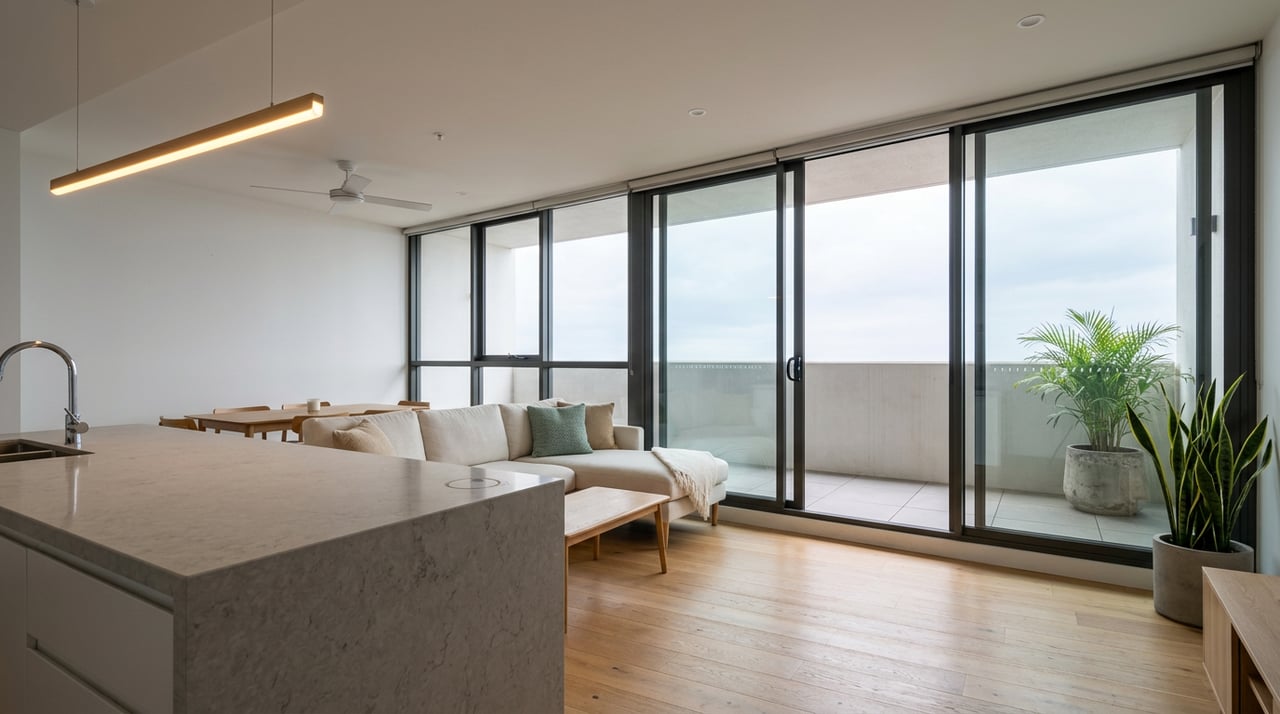
When a two-bedroom unit at the Surfside condos in Daytona Beach hit the market at $415,000, the price looked like a reasonable entry point for oceanfront living. What the listing didn't show is that owners in that building had already paid between $50,000 and $60,000 each in special assessments to fix deteriorating concrete and replace failing windows. That bill didn't show up in the sale price. It showed up after closing, in the mail, with a deadline attached, and it's the same bill a growing number of beachside buildings are now sending.
This is the part of the Daytona Beach market that a citywide median price can't explain, and it's the part buyers comparing a beachside condo to a mainland house need to understand before they fall in love with a number.
Same Price Range, Very Different Bills
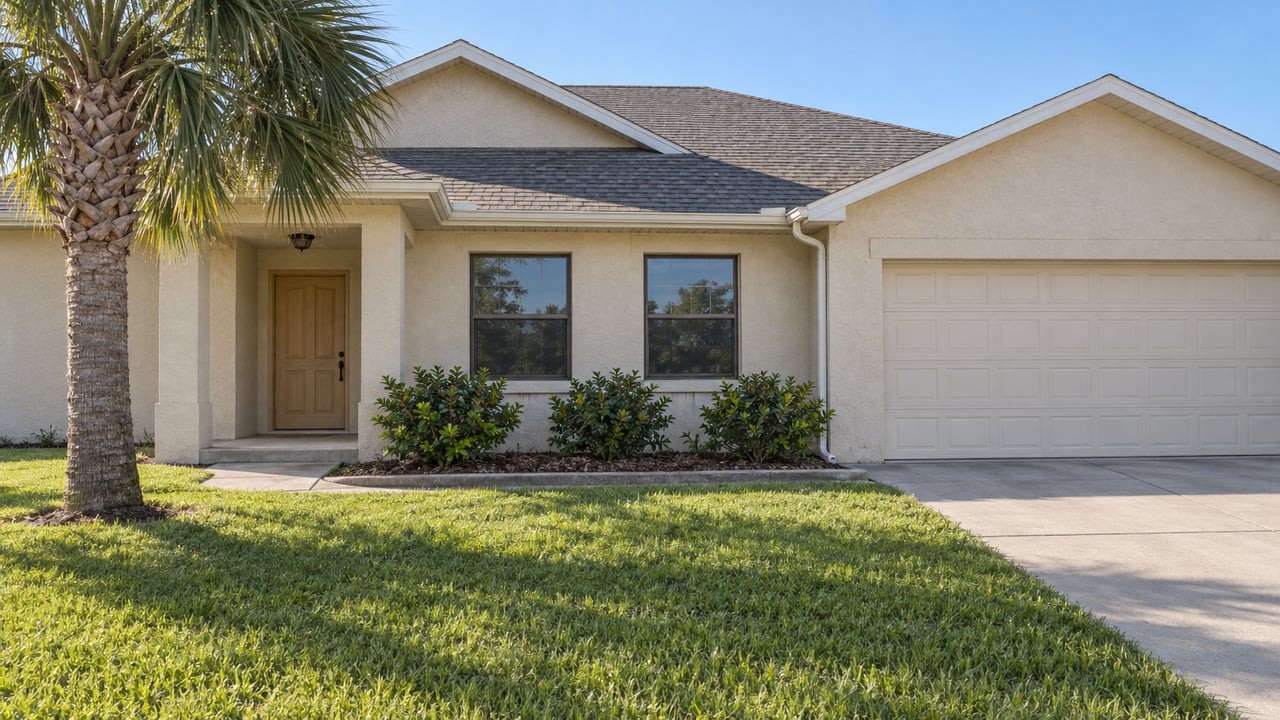
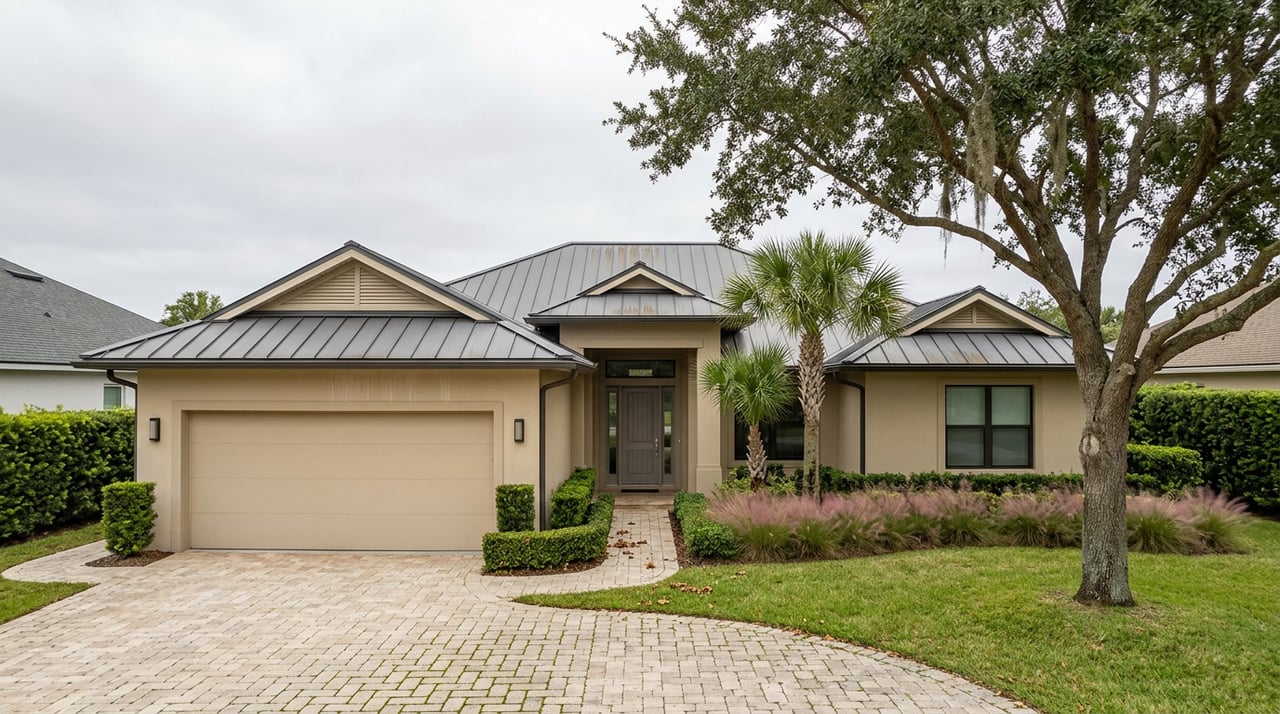
The instinct most people bring to Daytona Beach is that beachside costs more and mainland costs less. That's often true, but the gap is narrower than people expect. A mainland single-family home in an established neighborhood can run anywhere from roughly $175,000 to $280,000 depending on age and lot size. A beachside condo, especially an older mid-rise unit that hasn't been renovated, can land in that same range or only slightly above it. From the outside, they can look like comparable choices for a similar budget.
They are not comparable choices. One comes with a roof, a foundation, and a yard that belong entirely to you. The other comes with a share of a 50-year-old building's structural liabilities, decided by a board you don't sit on, funded by a reserve account you can't see until you ask for it.
A Daytona Beach-area real estate agent quoted by NBC News summed up what that shift has done to the condo side of the market: "realtors are talking about how long their listings have been sitting, how things aren't moving." Buyers who've watched the assessment stories unfold are approaching beachside condos with more caution than they did five years ago, and that caution is showing up in how long those units sit before they sell.
What Changed in 2026
The reason this is a 2026 story and not a permanent feature of Florida condo ownership comes down to two state laws written after the Champlain Towers South collapse in Surfside. SB 4-D and SB 154 created mandatory milestone structural inspections for condo and co-op buildings three stories or taller, timed to 25 years of age for buildings within three miles of the coast, which covers essentially every beachside tower in Daytona Beach. Those same laws created a companion requirement, the Structural Integrity Reserve Study, meant to make sure associations are actually saving for the roof, the load-bearing walls, and the plumbing before those things fail.
For years, boards routinely voted to waive that reserve funding to keep monthly dues low. As of January 1, 2026, that option is gone for the eight structural components the law now protects. Associations that spent decades underfunding those accounts are catching up all at once, and the way they catch up is the special assessment.
You can see the full text of what a condo building in Daytona Beach Shores is required to do under this law on the city's own condo inspection law page. It's worth reading before you tour a building, not after you've made an offer.
The Surfside condos aren't an isolated case. Up the coast in Ormond Beach, the Surfside Club at 1133 Ocean Shore Boulevard, an 11-story, 150-unit oceanfront building with units priced between $350,000 and $600,000 and monthly HOA fees of $936, is now facing special assessments of over $100,000 per unit as the board works to fully fund its reserves under the same law. Different building, same mechanism, same math.
What the Zip Codes Show That the Median Doesn't
Daytona Beach's citywide median sale price sat around $320,000 for the three months ending in spring 2026, up modestly from the year before. That single number flattens two very different markets into one line.
| Mainland (Zone X pockets) | Beachside oceanfront (older towers) | |
|---|---|---|
| Typical price band, 2026 | roughly $175,000 to $280,000 | roughly $180,000 to $425,000, wide range by age and view |
| Flood zone | mostly Zone X | AE or VE |
| Flood insurance | often optional, $600 to $1,200/year where carried | mandatory, commonly $2,500 to $8,000+/year |
| Structural inspection law | not applicable, mostly Chapter 720 HOAs | milestone inspection and SIRS required at 25 years within 3 miles of the coast |
| Special assessment history | rare, usually a few thousand dollars if it happens at all | documented cases from $50,000 to over $100,000 per unit |
Mainland ZIP codes like 32114 and 32119 have carried median values well under $220,000 through much of 2026, while beachside 32118 has traded in a noticeably wider band that includes both aging studios and renovated high-rise units pushing past $300,000. The spread inside 32118 is itself a signal. A wide range within one ZIP code usually means the market is pricing in something beyond square footage, and here that something is building age and reserve health.
What This Means If You're Comparing a Condo to a House
If you're weighing a beachside condo against a mainland single-family home on a similar budget, the sale price is the least useful number in the comparison. Before you write an offer on any condo built before the mid-1990s, ask for:
- The milestone inspection report, and whether it triggered a Phase 2 structural review
- The Structural Integrity Reserve Study and the percent funded figure it produced, not just whether one exists
- The last two years of board meeting minutes, which usually mention pending or discussed assessments before they're formally approved
- Whether the building has 25 or more units, since those associations are now required to post governing documents, budgets, and reserve studies online where you can review them before you're under contract
- The building's current insurance status, since some older coastal towers have had trouble renewing or affording a master policy at all
None of this means beachside living is a bad choice. Plenty of buildings have completed their inspections, funded their reserves properly, and have nothing hanging over them. The point is that the sale price alone won't tell you which kind of building you're looking at, and in this market, that distinction matters more than a few thousand dollars of difference in list price.
If you already own a beachside unit and you've received an assessment notice, or you're watching your building's reserve study with some concern, it's worth knowing where your equity actually stands before you decide whether to stay or sell. That's exactly what a home valuation is for, and it costs you nothing to find out.
A Few Questions Worth Asking
Does this apply to single-family homes too? Not in the same way. Most single-family HOAs fall under a different section of Florida law that doesn't carry the milestone inspection or SIRS mandate. Your risk with a house is more likely to show up in a roof age or an insurance quote than in a surprise assessment letter.
Is every older Daytona Beach condo building facing this? No. Buildings that kept their reserves funded over the years are largely unaffected by the new law beyond the cost of the inspection itself. The risk concentrates in buildings that deferred maintenance and reserve funding for a long time, which is exactly why the board minutes and reserve study matter more than the building's curb appeal.
Does a lower HOA fee mean a safer building? Often the opposite. A low monthly fee can mean an association has been keeping dues artificially low by skipping reserve contributions, which is precisely the pattern the new law is designed to end. A higher fee that's fully funding reserves is often the safer long-term bet.
If you're trying to figure out what a specific building's numbers actually mean, or you want a second set of eyes on a beachside listing before you commit, I'm happy to walk through it with you. And if you're on the other side of this, sitting in a condo that's changed in value because of what's happening with reserves and assessments, Stacy Kelly can get you a free home valuation so you know exactly where you stand before you make your next move.