For half a century, if you wanted a Reuben and a cold Spaten in Daytona Beach, you went to the mall. Mr. Dunderbak's had been serving the Cajun Dutchman and potato pancakes inside Volusia Mall since before most of the storefronts around it existed, and on December 9, 2025, the Martin family marked 50 years in that spot. Five months later, on May 30, 2026, they closed it for good.
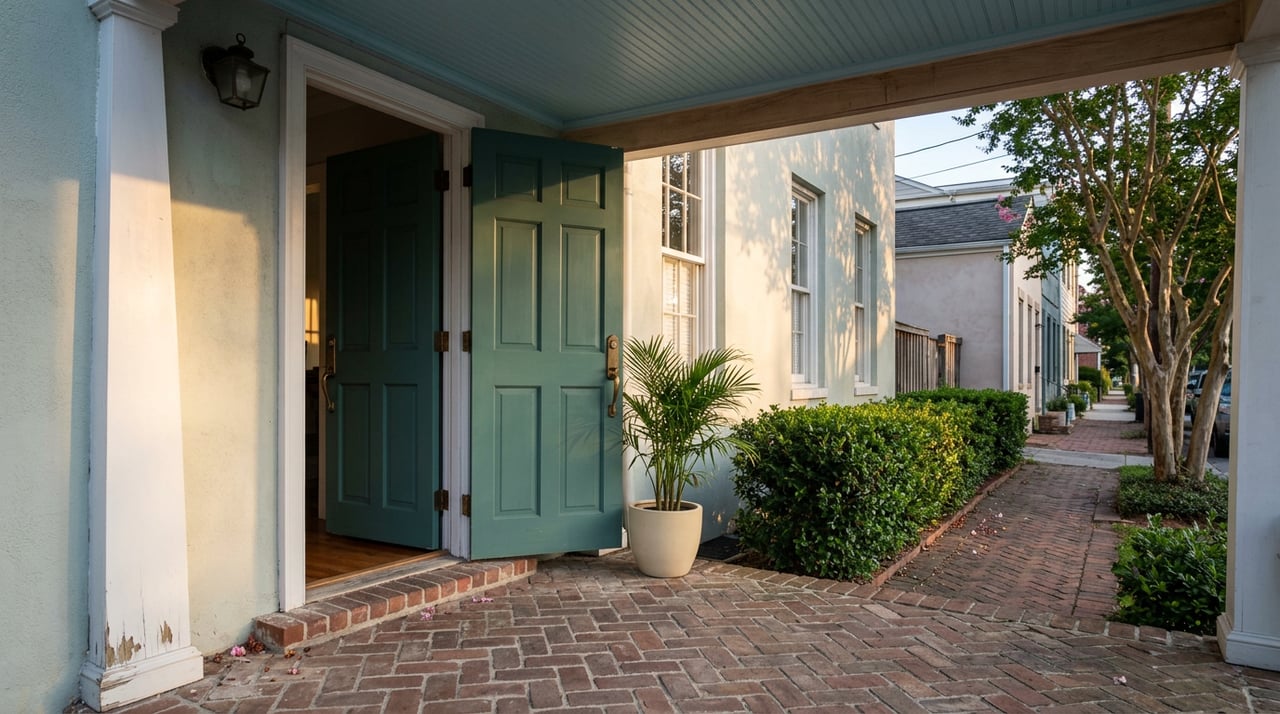
By early August, Mr. Dunderbak's had a new address: 116 N. Beach St., downtown. Regulars showed up for the soft opening the way you'd show up for a friend's housewarming, not a grand opening. One frequent customer, JJ Machuga, put it simply after the move: it still felt like everyone knew everyone else.
That single relocation is worth more attention than it's gotten, because it tells you something the tourist-facing version of this story leaves out. Mr. Dunderbak's didn't move downtown to catch more visitors walking off the beach. It moved because of who's actually living within a few blocks of Beach Street now, and what that changes about what gets built there.
What Actually Changed This Year
Start with the timeline, because it's tighter than most people realize. Kale Cafe, the vegan spot that used to occupy 116 N. Beach St., reopened two doors south at 110 N. Beach St. back in April. Copperline Coffee + Cafe, which built its name in Port Orange first, has a second location at 118 S Beach St. that's become its own daily stop for people working or living downtown. Flipping Pages bookstore opened nearby. Turbulence Beach Bar is set to open at 512 Main St., next to the Harley-Davidson apparel shop, extending the same wave a few blocks over.
None of that reads as a coordinated plan from any single developer. It reads like a corridor where enough foot traffic and enough rooftops finally exist to support a bookstore and a coffee roaster and a German deli within a five-minute walk of each other. That's a different kind of growth than a strip of souvenir shops competing for the same week of tourists.
The clearest evidence of the shift came straight from Matt Martin, the co-owner steering Mr. Dunderbak's into its new home. He told local reporters why the grocery component mattered to him:
"We offer some European specialty grocery items currently at the location at Volusia Mall, but when we move to downtown we will have a small grocery for the many people that work and live in that area."
That's not a line about tourists. The closest full grocery stores to downtown are the Aldi at Nova Road and Mason Avenue and the Publix on Ridgewood Avenue in Holly Hill, both several miles out. Martin built the new space with a front-of-store deli and market section specifically because there wasn't a walkable option for milk, eggs, and bread if you actually live on Beach Street. A restaurant that survived 50 years by reading its customers correctly just bet its next chapter on people who don't drive to eat.
The Businesses Filling In Are Built for People Who Live Here
Look at what's opening against what it's replacing, and the pattern holds. These aren't attractions built around a single busy weekend. They're the kind of businesses that only make sense if there's a customer base coming back multiple times a week:
- Mr. Dunderbak's added a grab-and-go deli and small grocery section, aimed at residents who need basics without a drive
- Copperline Coffee built its Beach Street location as a daily stop, not a destination cafe, with regulars coming back for the same order
- Kale Cafe relocated within the same block rather than leaving downtown, suggesting its lease renewal made sense based on existing local demand
- Flipping Pages bookstore fills a category that doesn't survive on one-time tourist foot traffic at all
- Turbulence Beach Bar is opening on Main Street rather than a stretch built purely for hotel guests
A tourist economy wants novelty and turnover. A resident economy wants reliability and reasons to come back on a Tuesday. What's filling in on Beach Street right now looks a lot more like the second kind.
The Money Behind It Isn't a Grant
The other piece of this that's easy to miss is where the capital is coming from. James Lanni, vice president of commercial real estate for Brown & Brown Insurance, confirmed the company bought the building at 116 N. Beach St. along with several others on the block. That's the same Brown & Brown that's building its new corporate headquarters downtown, with company leader Cici Brown pushing the Daytona Promenade project as part of that investment.
Longtime Volusia business columnist Cecil Brumley has been tracking the area for close to three decades, and his read on the pattern lines up with what's on the ground: a cluster of private investment, from All Aboard Properties to the businesses listed above, that's choosing downtown Daytona for reasons beyond tourism appeal. A single large employer moving its headquarters downtown means hundreds of workers who need lunch, coffee, and evening plans within walking distance, five days a week, year-round. That's a steadier customer base than any single event weekend can deliver.
The city's own investments are pointing the same direction. Fire Station No. 1 is being rebuilt at 420 S. Ridgewood Ave. to serve a downtown population that's expected to keep growing, and 400 Beach is bringing 294 apartment units and a parking garage into the mix. Municipal infrastructure doesn't get rebuilt for a neighborhood the city expects to empty out. It gets rebuilt for one it expects more people to live in.
The Week Has a New Rhythm
If you already live in Daytona Beach, here's what that shift actually looks like on a normal week right now:
- Friday evenings, the Riverfront Market runs 5 to 9 p.m. at the Riverfront Esplanade, with up to 45 local vendors and live music from Aaron Esposito, right across the street from the Riverfront Shops.
- The first Friday of each month, that market rolls straight into the Downtown Daytona Nights food truck rally on Magnolia Avenue and the First Friday ArtWalk along Beach Street, with the next dates landing October 2, November 6, and December 4.
- Saturday mornings, the Downtown Farmers' Market runs 7 a.m. to noon at Market@Magnolia, the produce-and-prepared-food market that's operated from that spot since 2020.
That's three separate weekly touchpoints for someone who lives nearby, not one big annual event that requires planning a trip. A place doesn't build that kind of recurring calendar around visitors passing through for a long weekend. It builds it around people who'll show up again next Friday.
What This Means If You Already Live Here
None of this erases the version of downtown Daytona that struggled for years, the empty storefronts and the reputation problems that outlasted the reality. But the specific businesses choosing Beach Street this year aren't making a tourism bet. They're making a bet on the people who already sleep a few blocks away, and the ones moving into 400 Beach's apartments when that project delivers.
If it's been a while since you walked down Beach Street on a Friday evening, this fall is a reasonable time to go back and see it for yourself. Grab a coffee at Copperline, catch the Riverfront Market before it wraps at 9, and see if the corridor you remember from a few years ago still matches what's actually there now. There's a decent chance it doesn't.
Living in Daytona Beach means watching a place like this change in real time, and knowing which changes actually stick matters whether you're settled in for years or just starting to think about what's next. If you ever want a second opinion on what a shift like this means for your street specifically, or what your home might be worth as downtown keeps filling in, Stacy Kelly has been tracking Volusia County long enough to tell you the difference between a trend and a headline.