Buying your first home can feel exciting right up until the questions start piling up. How much can you really afford, what should you budget beyond the down payment, and how do you avoid costly mistakes in a market like South Daytona? If you are hoping to put down roots in this part of Volusia County, this guide will walk you through the key numbers, the buying steps, and the local checks that matter most so you can move forward with more clarity and confidence. Let’s dive in.
Why South Daytona Appeals to First-Time Buyers
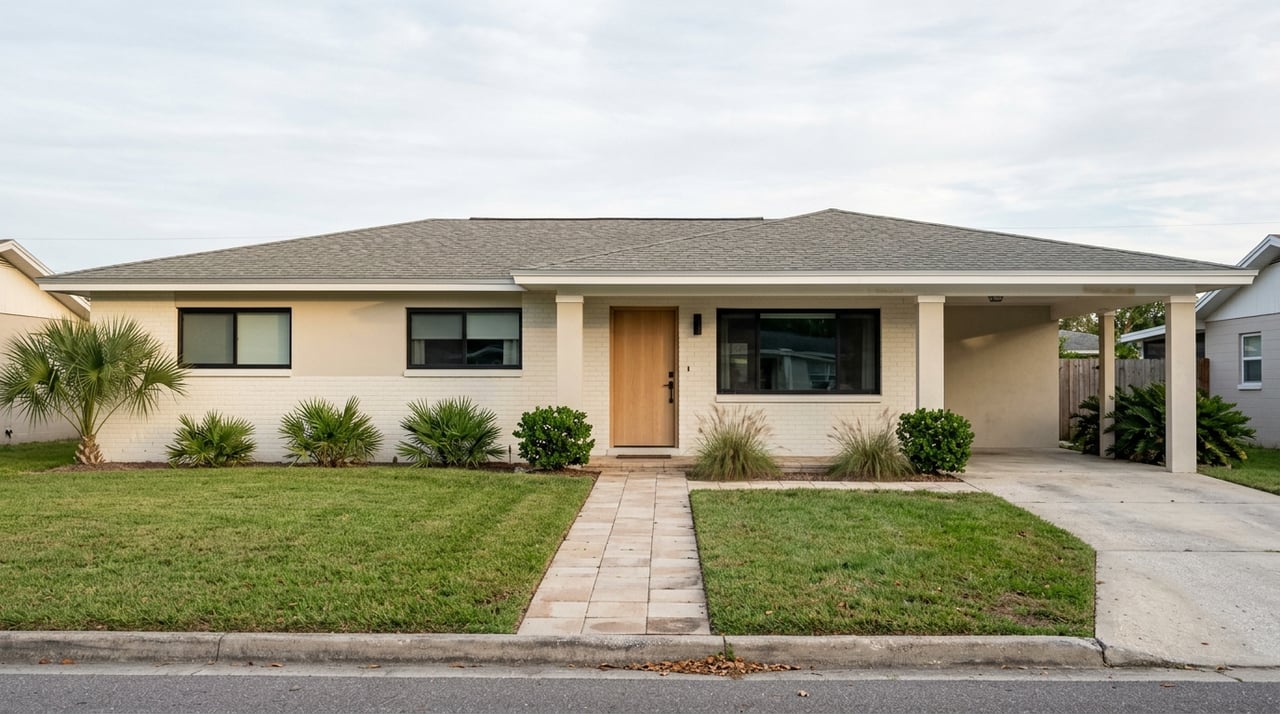
South Daytona offers a smaller-city setting with easy access to the Halifax River and Atlantic beaches just minutes away. The city also highlights neighborhood amenities, parks, shopping, and dining, which can make day-to-day living feel convenient without losing that local feel.
For many first-time buyers, the numbers are part of the appeal too. Census QuickFacts estimates South Daytona’s 2024 median owner-occupied home value at $222,200, compared with $359,000 statewide. Median gross rent is also lower here at $1,379, compared with Florida’s $1,669, which helps show why many buyers look at South Daytona as a potentially more attainable entry point than other parts of the state.
South Daytona also leans into outdoor living. The city says it has nine parks, and Reed Canal Park alone includes a dog park, disc golf course, trail, playground, picnic areas, and pavilions across 30 acres. If you want a location where lifestyle matters as much as the home itself, that is an important part of the picture.
Start With Your Budget
One of the biggest first-time buyer mistakes is focusing only on the down payment. In reality, your upfront costs may also include an appraisal, inspection, title and closing services, prepaid taxes and insurance, plus moving expenses or early repairs.
Your affordable price range depends on more than income alone. It also depends on your credit, monthly debts, down payment amount, and interest rate. Starting with a realistic monthly budget can help you avoid falling in love with homes that stretch you too far.
Budget for More Than the Mortgage
Your monthly payment is only part of homeownership. You may also need to plan for property taxes, homeowners insurance, utilities, maintenance, and possible escrow costs.
At closing, Florida-specific recording taxes can also affect your cash needed. According to the Volusia County Clerk fee information, documentary stamp tax on deeds is $0.70 per $100 of consideration, and mortgage documentary stamp tax is $0.35 per $100 of consideration. These are important line items to remember when you build your closing budget.
Get Preapproved Before You Shop
Before you start touring homes seriously, get preapproved. A preapproval letter helps you understand your likely price range and shows sellers you are shopping with financing already in motion.
It is also smart to compare lenders. HUD advises talking with two or three local lenders, and that can help you compare rates, fees, and loan options before you commit.
Preapproval vs. Prequalification
These terms sound similar, but lenders may use them differently. In general, preapproval is the stronger signal because it is tied to a more detailed review of your finances.
For a first-time buyer in South Daytona, preapproval can make your home search more focused. Instead of guessing what works, you can shop with a clearer target and move faster when the right home comes up.
Explore First-Time Buyer Assistance
If you are buying your first primary residence, you may have access to programs that can reduce upfront costs. In Florida, the main statewide resource is Florida Housing.
Florida Housing’s Homebuyer Program offers 30-year fixed-rate first mortgages through participating lenders. The program requires a minimum 640 credit score, approved homebuyer education, and meeting county income and purchase-price limits. It also uses a first-time buyer definition based on not owning and occupying a primary residence in the previous three years.
Volusia County Assistance Matters Here
Volusia County offers a Homebuyer Assistance program that may provide up to $75,000 as a zero-interest, 15-year deferred or forgivable loan for income-eligible first-time buyers. The funds can be used toward down payment and closing costs.
That matters for South Daytona buyers because the county says eligible homes must be in Volusia County, except within Daytona Beach or Deltona city limits. South Daytona falls within the area that may qualify, which makes this a program worth asking about early.
Other Florida Help to Ask About
Some buyers may also qualify for Florida’s Hometown Heroes program. This program provides down payment and closing cost assistance to eligible workforce occupations buying a primary residence.
If you are unsure whether you qualify for any assistance, approved homebuyer education and a participating lender can help you sort through the options. That can save time and help you avoid missing a program that fits your situation.
Understand the Buying Timeline
The homebuying process tends to feel less stressful when you know the order of events. A safe sequence is to get preapproved, shop for homes, make an offer, complete the inspection and appraisal, finish underwriting, and then close.
Each step has a purpose. Financing helps set your limit, shopping helps you narrow your goals, and the contract period gives you time to verify the home and finalize the loan.
A Simple First-Time Buyer Roadmap
- Get preapproved.
- Compare loan options and monthly payments.
- Tour homes that fit your budget and goals.
- Make an offer.
- Schedule the inspection and appraisal after acceptance.
- Finalize underwriting and review closing figures.
- Close and get the keys.
What Happens After Your Offer Is Accepted
Once a seller accepts your offer, the transaction enters one of the most important stages. This is where your inspection, appraisal, insurance shopping, and final loan steps all start to come together.
It is also the point where first-time buyers can feel overwhelmed. The good news is that each item has a clear role, and understanding that role helps you make better decisions.
Why the Inspection Matters
A home inspection reviews the property’s condition. If your contract includes an inspection contingency, you can often cancel without penalty if the inspection is not acceptable, or negotiate repairs or a credit.
For a first-time buyer, this protection is a big deal. It gives you a chance to learn more about the home before you move all the way to closing.
Why the Appraisal Matters
An appraisal is different from an inspection. It is an independent opinion of value, and lenders generally require it for a typical mortgage.
You are usually entitled to receive a copy of the appraisal and other written valuations no later than three days before closing. Reviewing it helps you confirm that the home value supports your financing.
South Daytona Due Diligence Tips
In South Daytona, local due diligence deserves extra attention. Because this is a river-adjacent, coastal Florida market, flood and zoning checks should be part of your process.
The city’s Community Development Department says development and redevelopment are governed by the Comprehensive Plan, Land Development Code, Future Land Use and Zoning Maps, and state law. The city also points buyers to a Flood Map Viewer that includes parcels, streets, municipal boundaries, and FEMA flood data.
Check Flood Risk Early
Flood questions are easier to deal with before you are deep into the contract period. Buyers have the right to ask current owners about flood and disaster risk before making an offer, and that is a smart question in any coastal or river-adjacent market.
Knowing flood risk early can affect your comfort level, insurance planning, and long-term ownership costs. It is much better to understand that upfront than to be surprised later.
Check for Permits and Code Issues
A home can show well in person and still have unresolved file issues. South Daytona’s Code Compliance page says buyers can order a lien search that includes open permits, code enforcement cases, and outstanding utility balances.
Recorded liens are searched through the Volusia County Clerk of Court. This is one of those local steps that can help prevent surprises right before closing.
Prepare for Closing Carefully
Closing is the final stage, but it should not be rushed. Your lender must deliver the Closing Disclosure at least three business days before closing so you can compare it with your earlier Loan Estimate.
Before signing, review the loan amount, interest rate, loan term, monthly payment, escrow items, and total cash to close. If something looks different than expected, ask questions right away.
Shop Insurance and Protect Your Funds
Homebuyers should also shop for homeowners insurance and title insurance as part of the closing phase. Recommendations from a lender or agent may be helpful, but they may not always be the best deal.
Owner’s title insurance protects your financial investment in the home. It is also wise to verify wiring instructions carefully, since scammers often target buyers right before closing.
What to Do After Closing
Once the home is yours, there are still a few smart next steps. If the property becomes your permanent residence, apply for the Volusia County homestead exemption.
The county says you must have legal or beneficial title and live in the home on or before January 1 of the application year. The base homestead exemption is $25,000, and homesteaded residential assessments are capped annually at 3% or the CPI increase, whichever is lower.
Add a Simple Fraud Safeguard
The Volusia County Clerk also offers a free Property Fraud Alert service. It monitors recorded deeds, mortgages, and similar documents using your name or business name.
For a new homeowner, this is a simple extra step that can add peace of mind after closing. It takes only a little effort and helps you stay aware of suspicious recorded activity.
When Extra Guidance Helps
If you are still working through budgeting, credit questions, or whether buying is the right step, housing counseling can help. HUD-approved housing counseling agencies can assist with budgeting, money management, credit counseling, and general homebuying guidance.
That kind of support can be especially helpful if you want a clearer plan before you start making offers. Buying your first home is a big milestone, and having the right support around you can make the process feel far more manageable.
If you are thinking about buying your first home in South Daytona, working with a local guide can make the process smoother from day one through closing. For neighborhood insight, responsive support, and practical help as you navigate the South Daytona market, connect with Stacy Kelly.
FAQs
What makes South Daytona appealing for first-time homebuyers?
- South Daytona offers a smaller-city setting near the Halifax River and close to Atlantic beaches, plus parks, shopping, dining, and Census home value and rent figures that are lower than Florida’s statewide medians.
What first-time homebuyer programs may help in South Daytona?
- Buyers may want to explore Florida Housing’s Homebuyer Program, Volusia County’s Homebuyer Assistance program, and Florida’s Hometown Heroes program if they meet the eligibility rules.
What should first-time buyers budget for in South Daytona besides the down payment?
- You should budget for closing costs, inspection, appraisal, title and closing services, prepaid taxes and insurance, moving expenses, possible repairs, and Florida documentary stamp taxes tied to recording.
Why should South Daytona buyers check flood and zoning information?
- South Daytona is a river-adjacent, coastal Florida market, so flood risk, zoning, and land use details can affect insurance, future plans for the property, and overall comfort with the purchase.
What local records should first-time buyers review before closing on a South Daytona home?
- Buyers should consider checking for open permits, code enforcement cases, outstanding utility balances, and recorded liens through the city and Volusia County Clerk records.
What should a first-time buyer do after closing on a South Daytona home?
- If the home is your permanent residence, apply for the Volusia County homestead exemption and consider signing up for the county clerk’s free Property Fraud Alert service.