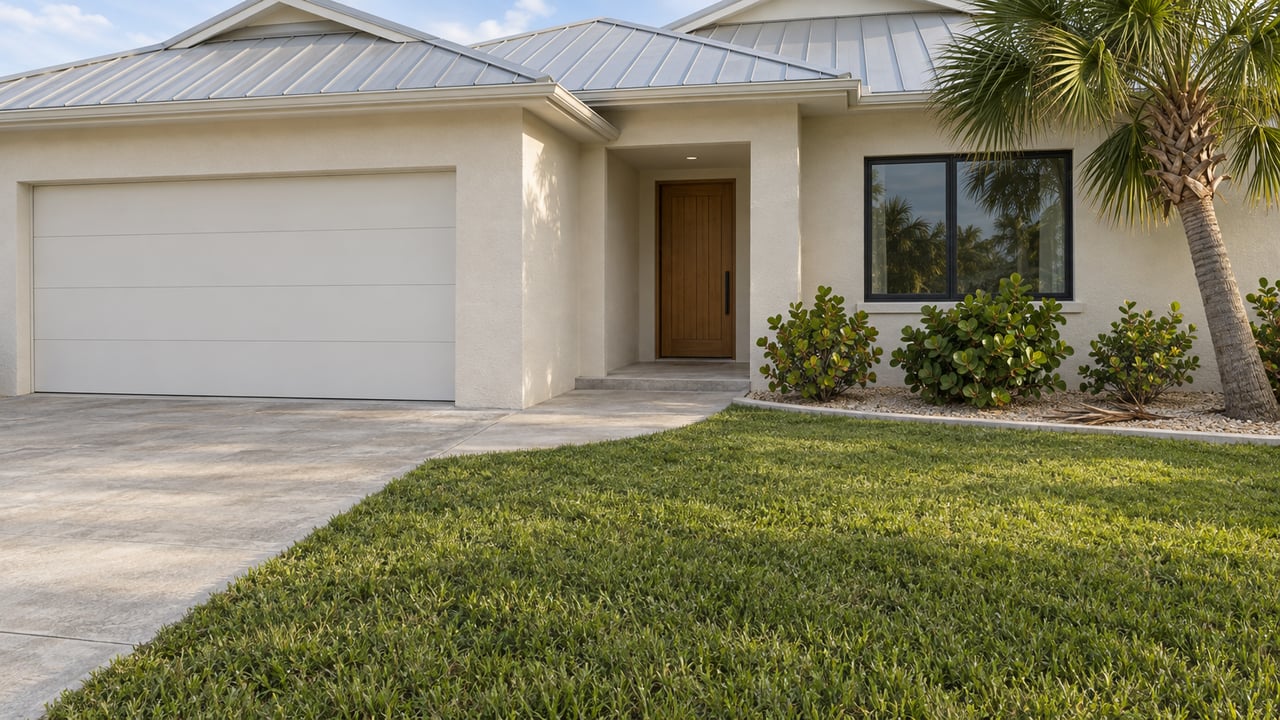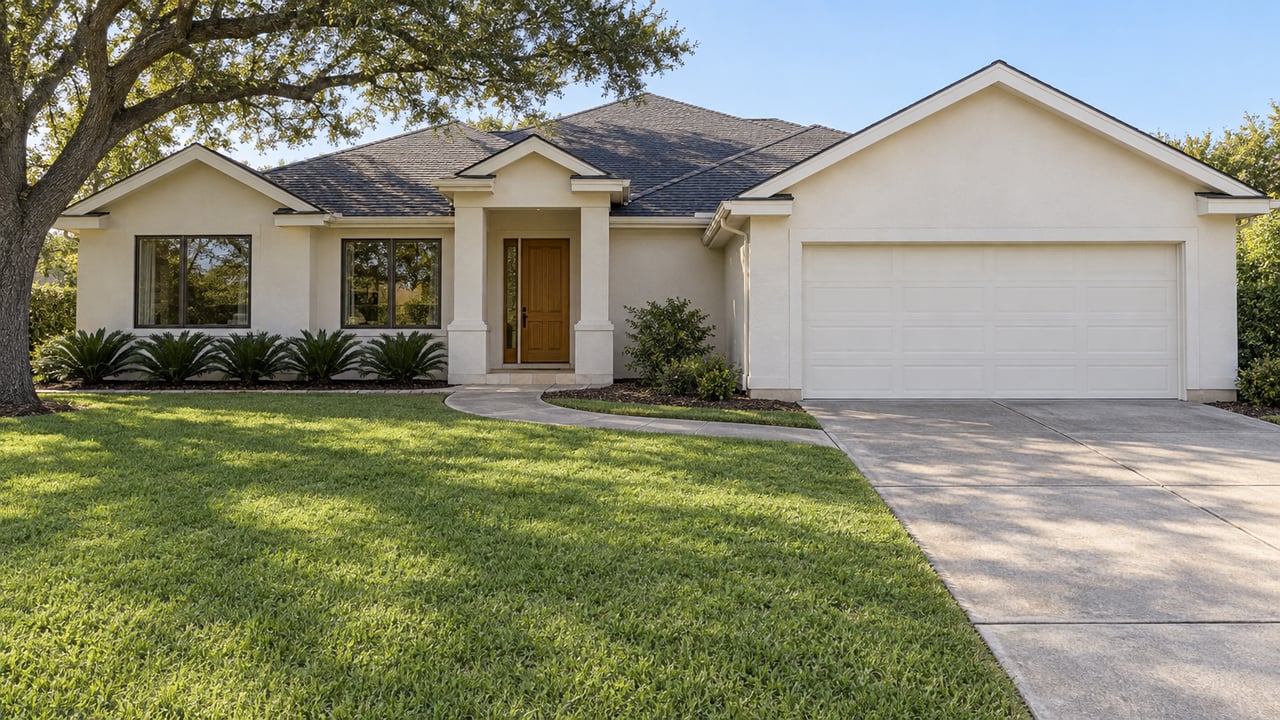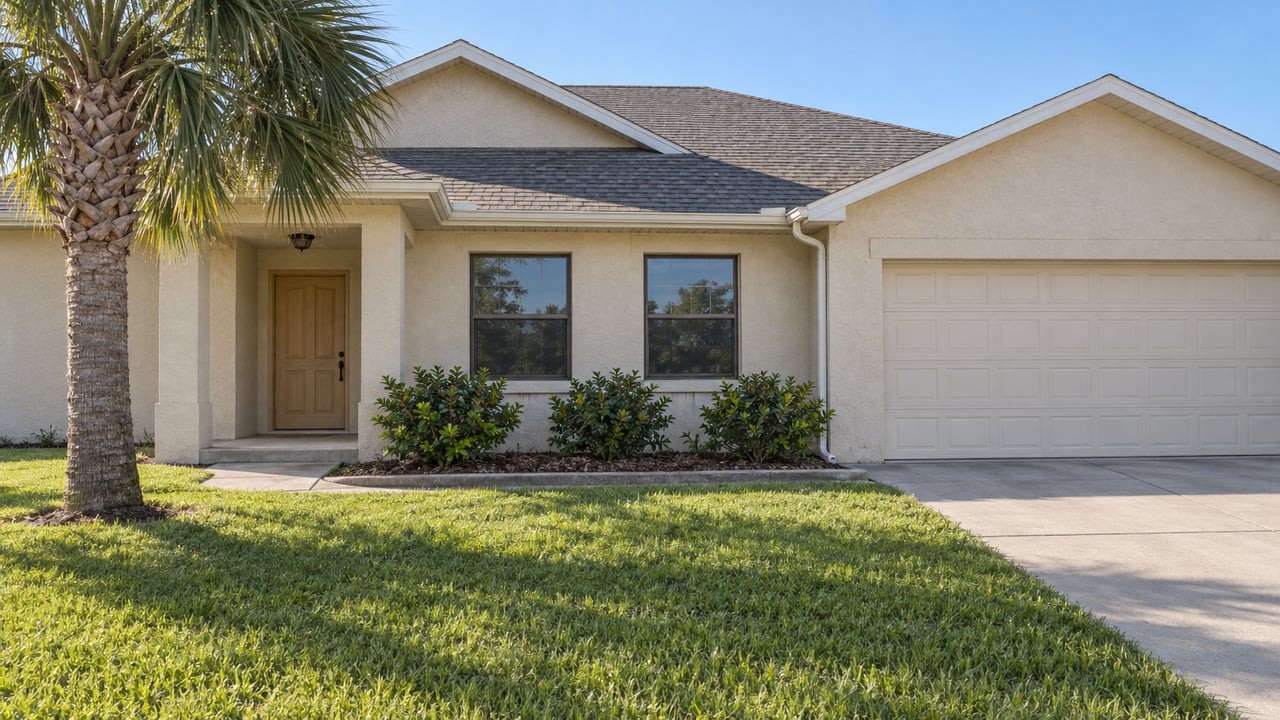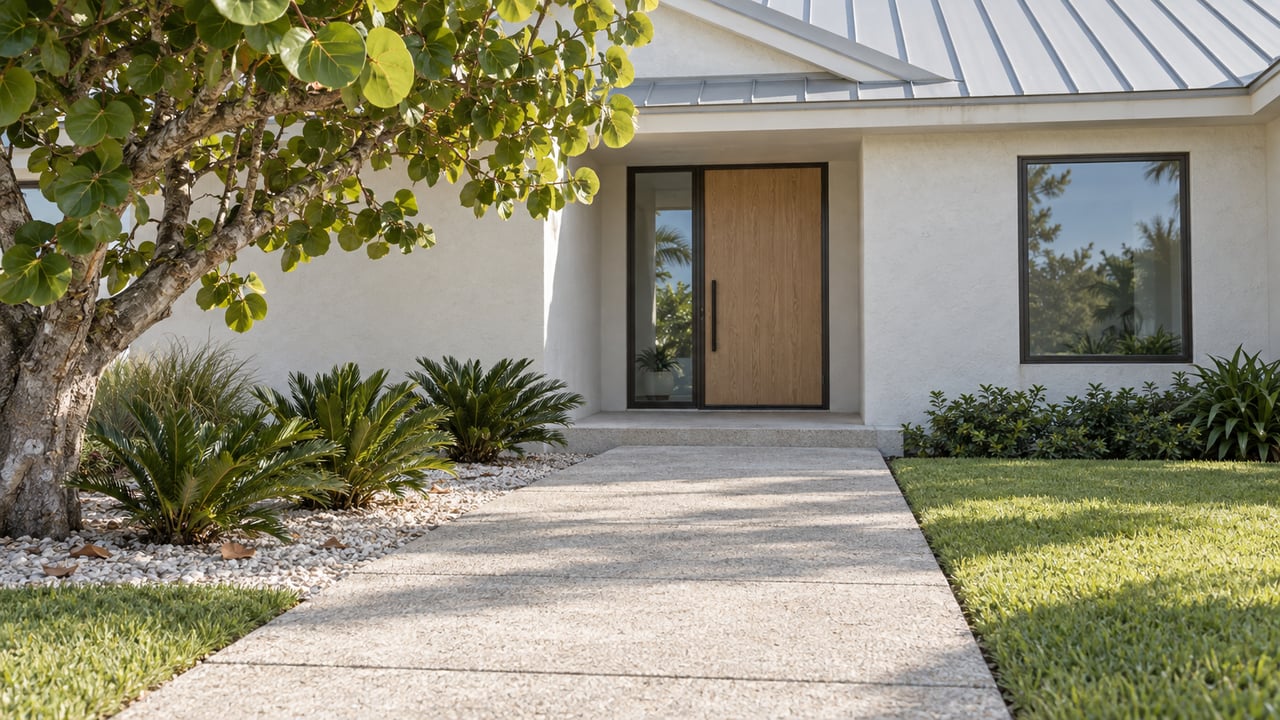
If you are looking at Edgewater investment homes, the cheapest listing is not always the smartest buy. In this market, savvy buyers look past the sticker price and focus on rent potential, repair scope, zoning, and flood exposure before they make an offer. When you understand how those pieces fit together in Edgewater, you can spot stronger opportunities and avoid expensive surprises. Let’s dive in.
Why Edgewater Gets Investor Attention
Edgewater has a lot working in its favor for buyers who want a long-term rental, seasonal hold, or light value-add property. The city highlights its riverfront setting, parks, riverwalk, trails, boating, fishing, and paddling access, along with convenient access to highways and beaches, which supports everyday appeal for both residents and renters. You can see more about those community features on the City of Edgewater’s community overview.
There is also a practical demand story behind the market. The city’s 2024 population estimate was 24,334, up 5.3% since 2020, and 33.0% of residents are age 65 or older, according to the same city profile. For investors, that can point to ongoing interest in low-maintenance homes, manageable floor plans, and properties that are easy to access and maintain.
Watch Edgewater Pricing Carefully
Edgewater home prices sit in a range, not one neat number. According to Zillow’s Edgewater market data, the typical home value is $289,233 and the median sale price is $282,333, while the research report also notes Redfin’s median sale price at $302,500 and Realtor.com’s median for-sale price around $329,000. That spread matters because it tells you to underwrite each property based on its location, condition, and use, not just on a citywide average.
Days on market also suggest a more balanced environment than a frenzy. Homes are generally taking about 46 to 66 days to go pending or close, and sale-to-list data points to modest negotiation room rather than major discounts. In other words, savvy buyers should stay disciplined on numbers but should not assume every seller will slash the price.
Rent Potential Matters More Than Price Alone
A lower purchase price only helps if the property can support realistic rent. The research report shows older Census ACS median gross rent at $1,392 for 2019 through 2023, while newer Zillow rent figures are higher, including $1,897 as of February 28, 2026, and $2,170 as of April 3, 2026. You can review the local baseline housing and rent data in the U.S. Census QuickFacts for Edgewater.
Using the higher April 2026 rent figure against Redfin’s median sale price, the rough gross rent-to-price ratio comes out to about 8.6% before taxes, insurance, vacancy, maintenance, and financing. That is enough to keep investor interest on Edgewater, but it is not a shortcut to a good deal. Smart buyers still run the math property by property because each data source measures something slightly different.
What savvy buyers calculate first
Before writing an offer, experienced buyers usually check:
- Expected monthly rent based on current market positioning
- Taxes and insurance, especially if flood insurance may apply
- Vacancy allowance
- Maintenance and reserve costs
- Any HOA or community fees
- Financing terms and cash-to-close needs
- Rehab budget and timeline
If the numbers only work with perfect rent, zero repairs, and no delays, that is usually a warning sign.
Flood Risk Is a First-Pass Check
In Edgewater, flood and drainage questions should move to the top of your checklist. The city’s floodplain management page makes it clear that flood risk can vary from one property to the next, even within the same neighborhood, and directs owners to official FEMA mapping resources. That means two homes on nearby streets may carry very different insurance costs and risk profiles.
Savvy buyers do not wait until late in the inspection period to ask about this. They check flood zones, ask about drainage history, review likely insurance costs, and consider whether elevation or stormwater issues could affect the property’s long-term performance. A house that looks like a bargain upfront can become a weak investment if flood-related costs erase your margin.
Zoning Can Change the Entire Deal
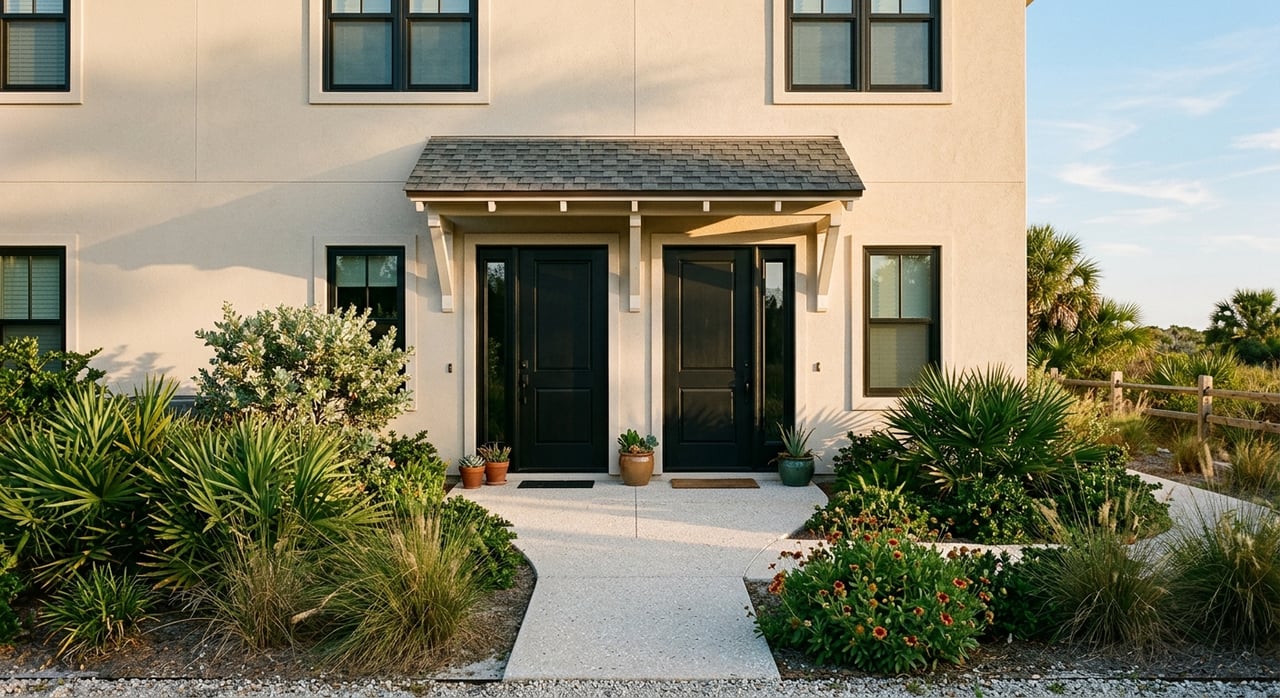
Some Edgewater buyers specifically hunt for duplex or small multifamily opportunities, and there is good reason to look closely. The city’s land development code includes R-4 and R-5 multifamily districts, which allow uses including single-family homes, duplexes, apartments, and townhouses. The code also defines a duplex as two dwelling units separated by a firewall with separate entrances, which is important when evaluating existing layouts or future plans.
You can review those zoning details in the Edgewater land development code. Still, savvy buyers never assume a property can be used as a duplex or converted to higher density just because the lot looks large enough. They confirm parcel-specific zoning and permitted use before they count on rental income from an additional unit.
Zoning questions to ask early
- What is the current zoning for this parcel?
- Is the existing use legal and conforming?
- If there are multiple units, were they permitted?
- Are additions or conversions allowed under current code?
- Are there parking or setback rules that affect plans?
These questions can save you from buying a property based on income that may never be legally achievable.
Rehab Scope Can Make or Break Returns
Older homes in Edgewater can offer value, but repair costs need careful review. The city’s building and permitting department requires permits and references Florida Building Code and product-approval requirements, including for roofing, windows, shutters, skylights, and related exterior work. That tells you right away that major exterior updates may involve more time, paperwork, and expense than a quick online estimate suggests.
The research report also notes code-enforcement concerns such as unsafe structures, overgrown property, junk vehicles, and unpermitted work. For investors, this matters because cleanup and compliance costs can stack up fast on neglected homes. A property with a low list price may still be a poor buy if it needs permit-heavy work, deferred maintenance, and code corrections all at once.
Neighborhoods Need a Block-by-Block Review
Edgewater is not one-price-fits-all. Zillow neighborhood data in the research report shows lower medians in areas such as Historic Westside at about $210,000 and South West at about $267,000, while higher-priced areas include South Mainland at about $494,000, Coronado Beach at about $449,000, and South Causeway at about $412,000. That range shows why local comparables matter so much when you are underwriting an investment home.
The report also notes that Realtor.com shows larger for-sale inventory pools in Florida Shores and Hacienda del Rio. For value-focused buyers, that can be helpful because more inventory often means more comps to analyze and a clearer read on pricing. It does not automatically make one area better than another, but it does give you more data to work with.
What Smart Buyers Notice on Tours
When savvy buyers walk Edgewater investment homes, they are not just admiring finishes. They are asking whether the property will be easy to rent, easy to insure, and manageable to maintain over time.
Here are some of the details they watch closely:
- Roof age and visible exterior condition
- Window and door condition
- Signs of drainage issues or past water intrusion
- Lot elevation and grading
- Layout efficiency and bedroom-bath count
- Parking practicality
- Evidence of unpermitted additions or conversions
- Deferred landscaping or cleanup needs
- Access to Edgewater’s outdoor and waterfront amenities
A polished kitchen can be nice, but it should never distract you from structural, insurance, or compliance questions.
The Best Edgewater Deals Usually Balance Four Factors
In this market, the strongest opportunities usually line up in four areas at once. They have realistic rent potential, manageable rehab scope, acceptable flood or drainage exposure, and zoning that supports the intended use. When one of those pillars is weak, the deal often becomes much less attractive.
That is why savvy buyers stay objective. Instead of asking, “Is this home cheap?” they ask, “Does this home still make sense after I account for rent, repairs, permits, insurance, and neighborhood pricing?” That shift in thinking is often the difference between a smart investment and an expensive lesson.
How to Buy More Confidently in Edgewater
If you are considering an investment property in Edgewater, your best move is to slow down just enough to verify the fundamentals. Study the comps, estimate rent conservatively, confirm zoning, and look into flood and permitting questions before you stretch on price. The buyers who do this well are usually the ones who protect their downside and make better long-term decisions.
If you want a local perspective on Edgewater neighborhoods, pricing patterns, and how to evaluate a property’s upside without overlooking its risks, Stacy Kelly can help you sort through the details and move forward with clarity.
FAQs
What do buyers look for in Edgewater investment homes first?
- Savvy buyers usually start with rent potential, purchase price, flood exposure, zoning, and the likely rehab budget before focusing on cosmetic updates.
How much do Edgewater homes cost for investment buyers?
- The research report places Edgewater pricing broadly from the high $200,000s to low $300,000s, with variation by source, neighborhood, and property type.
Is Edgewater, Florida good for rental property investing?
- Edgewater can attract investor interest because of its rent-to-price relationship, outdoor amenities, and steady local appeal, but each property still needs separate underwriting.
Why is flood risk important when buying an Edgewater investment property?
- Flood risk can vary by parcel in Edgewater, which can affect insurance costs, drainage concerns, and the overall return on the property.
Can buyers find duplex or small multifamily opportunities in Edgewater?
- Yes, the city’s code includes multifamily districts such as R-4 and R-5, but buyers should confirm parcel-specific zoning and permitted use before assuming a property can support multiple units.
What repairs should investors budget for in Edgewater homes?
- Buyers should closely review roofing, windows, exterior components, cleanup, code issues, and any work that may require permits or product approvals under local rules.