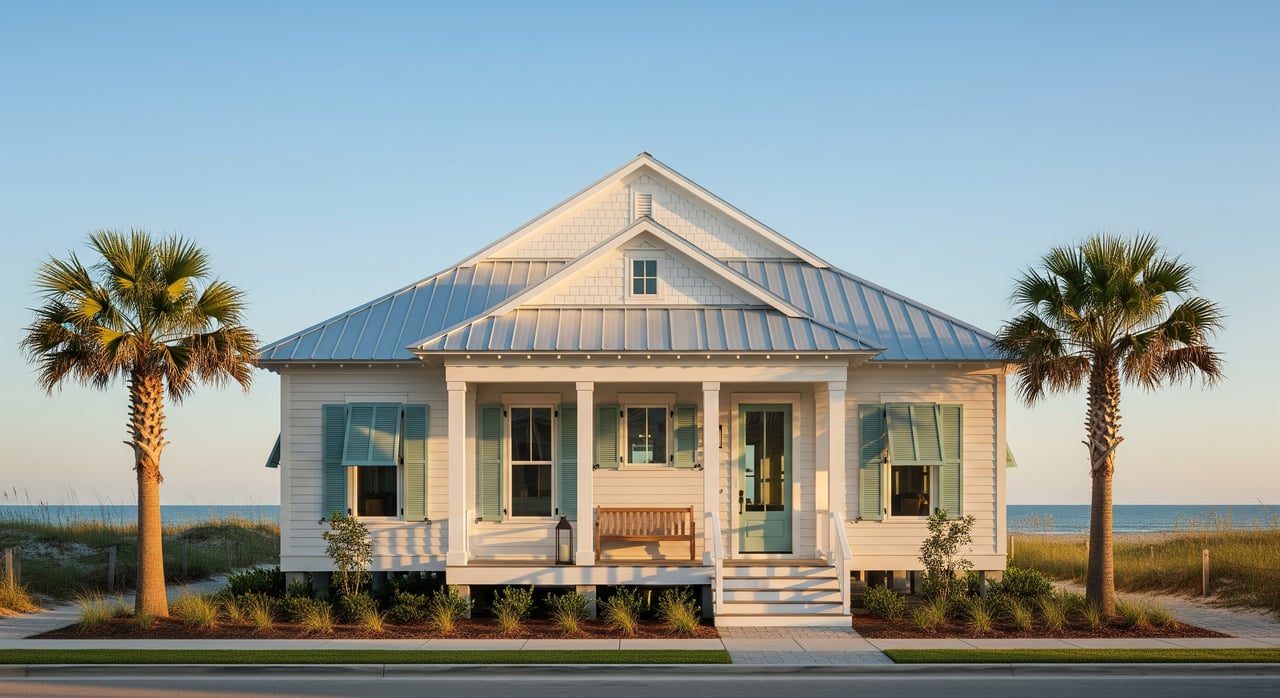
Worried the down payment is the only thing between you and a place near the beach in Daytona? You are not alone. Many first-time buyers in Volusia stretch to cover upfront costs even when they can afford a monthly payment. In this guide, you will learn the key programs that help with down payment and closing costs, which loans work well for first-time buyers, who qualifies, and how to apply in Daytona Beach. Let’s dive in.
What first-time buyer programs cover
First-time buyer help usually falls into two buckets: the mortgage itself and separate assistance for your upfront costs. You might pair a low- or zero-down mortgage with a down payment assistance option that acts like a small second loan or a grant. Some help is forgivable after you live in the home for a set time, while other assistance must be repaid if you sell or refinance.
Programs are offered at several levels. Federal mortgage options set the foundation, while Florida’s state housing agency and local governments may add down payment or closing cost help. Nonprofits sometimes offer below-market purchase opportunities and education.
Low- and zero-down mortgages you can use
FHA loans
Federal Housing Administration mortgages are popular with first-time buyers who need flexible credit and a low down payment. FHA allows as little as 3.5 percent down for eligible borrowers and requires mortgage insurance. You can learn more about FHA programs on the U.S. Department of Housing and Urban Development.
VA loans
If you are an eligible veteran, active-duty service member, or qualifying surviving spouse, VA loans offer zero down and no private mortgage insurance. A funding fee and VA rules apply. Explore details on the U.S. Department of Veterans Affairs home loan page.
USDA Rural Development loans
USDA loans provide zero down financing for income-eligible buyers purchasing in designated areas, often outside dense urban cores. Property and household income must meet program criteria. Start with the USDA Rural Development site to review single-family programs and property eligibility tools.
Conventional 3 percent options
Conventional programs like Fannie Mae HomeReady and Freddie Mac Home Possible can offer 3 percent down for eligible buyers, often with income limits and homebuyer education. Learn more about HomeReady from Fannie Mae and Home Possible from Freddie Mac.
Florida Housing help for down payment and costs
The Florida Housing Finance Corporation partners with participating lenders to offer first mortgages and down payment or closing cost assistance. Programs and assistance amounts change, and availability can vary by county and lender. Many buyers pair a first mortgage with a second mortgage product, often referred to as offerings like Florida Assist, that may be deferred or forgivable depending on the terms. Review current options and find participating lenders through the Florida Housing Finance Corporation.
Daytona Beach and Volusia local assistance
Local down payment assistance is typically funded through federal HOME or CDBG dollars and administered by the county or city. Volusia County and the City of Daytona Beach may offer programs for income-eligible buyers when funding is available. Because local programs open and close based on budget cycles, check current offerings and announcements on the Volusia County Community Services and Housing pages. You can also contact the City of Daytona Beach’s community development office for updates on city-level assistance.
Nonprofit options in the area
Nonprofits such as Habitat for Humanity build and sell affordable homes to qualified buyers who complete homebuyer education and contribute sweat equity. Terms can be more favorable than market-rate options. To find the local affiliate serving the Volusia area and learn about application windows, visit Habitat for Humanity.
Who qualifies and what to expect
Most programs use a similar definition of “first-time buyer,” often meaning you have not owned a principal residence in the past three years. Income and purchase price limits frequently apply, and limits can vary by household size and county. Many programs require that you live in the home as your primary residence for a set period.
Expect a credit and debt-to-income review from your lender, plus any program-specific checks. Homebuyer education is common and sometimes required before you can reserve down payment assistance. A HUD-approved education course is widely accepted.
Pros, trade-offs, and fine print
- Benefits you might see:
- Lower upfront cash needed for down payment and closing costs.
- Access to competitive first mortgages paired with state assistance.
- Flexible credit standards on certain loan types.
- Trade-offs to understand:
- Mortgage insurance costs for FHA or conventional low-down loans until you reach enough equity.
- Second liens that are deferred, forgivable, or repayable with interest depending on the program.
- Resale or recapture rules if you sell or refinance within a set period.
- Possible limits on refinancing or use of home equity while assistance is in place.
Read your second-mortgage and assistance documents carefully so you know when funds are forgiven, when they must be repaid, and how long you must occupy the home.
How to apply: a step-by-step roadmap
- Take a HUD-approved homebuyer education course.
- Start with HUD’s resources and search tools on the HUD website. Many programs require this certificate.
- Confirm your eligibility.
- Check first-time buyer status, income and purchase price limits, occupancy rules, and whether education is required.
- Get preapproved with the right lender.
- Choose a lender that offers the program you plan to use, such as FHA, VA, USDA, conventional 3 percent, or Florida Housing first mortgages.
- Reserve down payment assistance funds if required.
- Some programs have limited funding and require a reservation before you go under contract.
- Shop for homes that fit program rules.
- Work with a local agent who understands price caps, property condition standards, and location boundaries for options like USDA.
- Complete underwriting and close.
- Provide documents, submit your education certificate, and review closing disclosures that show any second liens or program terms.
Typical timeline
- Preapproval to signed contract: a few days to a couple of weeks.
- DPA reservation and underwriting: several days to a few weeks depending on the program.
- Offer to closing: often 30 to 60 days. Extra approvals can add time, so build cushion into your closing date.
Documents you will likely need
- Photo ID and Social Security number.
- Recent pay stubs, W-2s, and tax returns.
- Bank statements and asset documentation.
- Homebuyer education certificate.
- Military service documentation for VA, or income verification for USDA.
Smart tips for Daytona Beach buyers
- Start with counseling. HUD-approved counselors help you map programs to your budget and can point you to participating lenders.
- Verify local funding early. Volusia and city programs can open and close quickly; get on interest lists and ask about timelines.
- Check property eligibility for geographically limited programs like USDA before making offers.
- Compare the total cost. Balance low down payment, mortgage insurance, interest rates, and any second-lien terms.
- Save a little extra for inspections, initial maintenance, and utility turn-ons after closing.
What to do next
If you are ready to explore Daytona Beach neighborhoods and match them with the right financing, start by confirming which programs fit your income, timeline, and target price. Then line up a lender who offers your preferred loan and any Florida Housing or local assistance you plan to use.
When you want a clear plan from preapproval to closing, reach out to a local guide who knows Volusia’s programs and neighborhoods. If you would like help aligning financing options with listings and making a strong offer, connect with Stacy Kelly.
FAQs
What first-time buyer programs are available in Daytona Beach?
- You can combine federal loan options like FHA, VA, USDA, or conventional 3 percent with Florida Housing down payment assistance and, when funded, local Volusia or Daytona Beach programs.
How do income limits work for assistance in Volusia County?
- Many programs use Area Median Income tiers with limits that vary by household size and county; your lender or the administering agency will confirm the current thresholds.
Can I pair down payment assistance with an FHA or conventional loan?
- Yes, many buyers layer a Florida Housing or local assistance second lien with an FHA or conventional first mortgage, subject to program rules and lender approval.
How long does closing take when using assistance?
- Plan for 30 to 60 days from offer to closing, since reserving funds and program approvals can add time to standard underwriting.
Are homes in Daytona Beach eligible for USDA loans?
- USDA eligibility depends on the specific property location and household income; use the tools on the USDA Rural Development site to confirm before you write an offer.
Do I have to repay down payment assistance?
- It depends on the program; some assistance is forgivable after an occupancy period, while other second mortgages are deferred or repayable when you sell or refinance.